Repmold Explained: How Digital Tools Are Changing Modern Mould Manufacturing

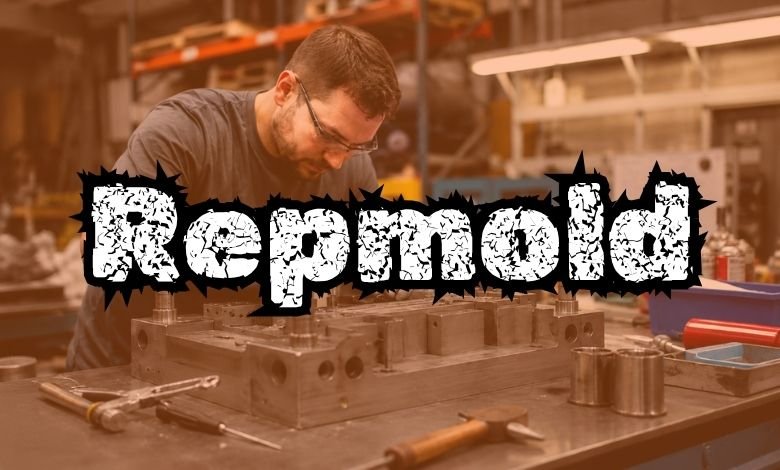
A product can look perfect on a computer screen and still fail when it reaches the factory floor. Perhaps one wall is too thin. Maybe the material cools unevenly, or the finished part refuses to leave the mould without damage. Problems like these often appear late, when correcting them is already expensive.
Repmold is a developing idea centred on finding such problems earlier. It combines digital modelling, design testing, rapid prototyping and precision manufacturing to create moulds more efficiently. Rather than depending on repeated physical trials, engineers can examine a virtual version first and adjust it before metal or other materials are cut. The name is not yet tied to one official manufacturing standard, but the methods behind it reflect a clear industry direction: plan more carefully, waste less and move from an idea to production without unnecessary delay.
What Repmold Actually Represents
There is no single machine that performs the entire process at the push of a button. The term describes a connected way of working in which several established technologies support one another.
It normally begins with computer-aided design, better known as CAD. A designer creates a three-dimensional model of the intended product and then develops the mould around it. The digital model gives the team a close view of the shape, dimensions and small features that could affect production.
That may sound straightforward, but moulds are rarely simple. Engineers must think about how material will enter the cavity, where trapped air might escape and how the component will be removed. They also need to consider heat, pressure, cooling time and surface quality.
In older workflows, some of these questions were answered through physical trial and error. A tool was produced, tested and then returned to the workshop if something went wrong. Skilled manufacturers still use physical testing, but digital tools can now reveal many possible faults before the first trial begins.
This is the practical idea behind Repmold. It does not reject traditional craftsmanship. Instead, it gives toolmakers clearer information before they commit time and material to a physical design.
A Typical Journey from Design to Production
Imagine a small company preparing to launch a reusable kitchen container. The design team wants a strong body, a secure lid and a clean surface. The container also needs to be comfortable to hold and inexpensive enough for the everyday consumer.
The first version is made digitally. At this point the team might find that the lid is too tight or that one corner would be hard to make. These issues can be corrected without ordering any material.
Engineers then examine whether the item can be moulded successfully. They check wall thickness, edges, curves and draft angles. A draft angle is the slight slope that helps a finished product leave its mould without becoming scratched or stuck.
Simulation software may be used to study how molten plastic is likely to travel through the mould. If one area fills too slowly, the product could contain a weak point. Uneven cooling might also cause it to twist after it has been removed.
The team can alter the digital design and run another test. This is still not the same as seeing the product in real life, but it gives engineers a useful opportunity to correct obvious problems.
A prototype is often created next. It may not have the exact strength or finish of the final container, yet it allows people to hold the design, test the lid and judge its overall size. Feedback gathered here can prevent an unsuitable product from reaching mass production.
Once the design is approved, the mould itself can be manufactured. CNC machines may cut it from aluminium or steel with close accuracy. In other cases, 3D printing may be used to produce a prototype tool, pattern or specialised insert.
Several sample containers are then made. The team checks their measurements, appearance and performance. Only after the results are acceptable does wider production begin.
Why Faster Mould Development Matters
Developing a mould is often one of the largest early expenses in manufacturing. A company might spend heavily before it has sold a single finished item. If the tool requires major correction, the entire budget can come under pressure.
The Repmold approach tries to move corrections towards the beginning of the project. Changing a digital file is usually simpler than rebuilding a completed steel tool. Early action may save money, although the exact amount depends on the size and complexity of the job.
Time matters just as much. A delayed mould can hold back packaging, advertising, distribution and sales. For seasonal products, even a short delay can mean missing the most valuable part of the market.
Digital collaboration may also improve communication. Designers, engineers, machinists and inspectors can work from the same approved model. When somebody changes an important measurement, the revised information can be recorded and shared with the rest of the team.
There is also a quality advantage. Production teams can compare finished samples with the original digital specifications. If a component is slightly too large or a surface is uneven, inspectors have a clear reference when investigating the cause.
Material waste may be reduced as well. Better planning can prevent failed prototypes and unnecessary corrections. Additive manufacturing can also build certain objects layer by layer, using material differently from a process that cuts everything from a larger block.
None of these benefits should be exaggerated. A poorly prepared digital model will not produce a reliable tool. Technology improves the process only when accurate data and experienced people are involved.
Industries Where the Idea May Be Useful
The automotive industry is an obvious example. A modern vehicle contains numerous moulded items, including dashboard sections, buttons, covers, clips and electrical housings. Manufacturers often need to test these components while the wider vehicle design is still changing.
Packaging companies face a different challenge: enormous production numbers. A small problem in a bottle cap or food tray may not look serious during an early test. When millions of units are produced, however, that tiny fault can create substantial waste.
Electronics manufacturers require cases, connectors and protective components with very precise measurements. Devices are becoming thinner and more compact, leaving little room for production errors. Detailed modelling and inspection can be particularly helpful here.
Healthcare equipment also uses moulded components, although this field demands careful control. Device housings, laboratory products and certain disposable items must meet defined quality and safety requirements. Digital records may support traceability, but they cannot replace formal testing or regulatory approval.
Household goods, toys and sports products could also benefit. A business can develop a prototype, collect feedback and refine the design before ordering an expensive long-life mould.
Small production runs are another interesting area. Not every business needs a steel tool built to produce millions of parts. Some may prefer quicker aluminium or printed tooling for a limited order. The right choice depends on the material, required finish and number of items.
Practical Limits Manufacturers Must Consider
New technology often attracts bold promises, but real factory conditions are less forgiving. Heat, pressure, vibration and repeated use can expose weaknesses that were not obvious on a screen.
Simulation is useful, though it depends on the quality of the information entered. If an engineer selects the wrong material data or machine conditions, the prediction may differ from the actual result.
Tool life also needs close attention. A mould designed for a short prototype run will not necessarily survive continuous production. Choosing a cheaper tool may save money initially but become more expensive if it wears out too early.
The equipment itself can be costly. Professional design software, precision scanners, advanced printers and automated inspection systems require investment. Smaller manufacturers may introduce them gradually or work with specialist suppliers instead of purchasing everything at once.
Training is equally important. Employees need to understand what the software is showing and recognise when its result does not make practical sense. A computer can display numbers, but an experienced toolmaker often notices risks that are difficult to express in a digital model.
Security is another concern because mould files may reveal confidential product details. Companies need controlled access, secure backups and clear rules for sending designs to outside suppliers.
For this reason, Repmold should be viewed as a working approach rather than a guaranteed shortcut. Its results depend on the people, materials, machines and quality checks behind it.
What May Come Next
Mould production is likely to become more connected. Sensors can already collect information about temperature, pressure and machine performance. In future systems, this data may move directly back into the digital design and maintenance process.
Artificial intelligence could help teams notice patterns in large amounts of production information. It might identify an unusual change in cycle time or suggest that a tool is beginning to wear. The engineer would then investigate before the problem affected a complete batch.
Digital twins may play a larger role too. A digital twin is a virtual representation linked with a real machine or process. It can help manufacturers observe performance and consider adjustments without stopping production for every small test.
Even with these developments, the workshop will not become empty. People will still choose materials, approve designs, inspect components and respond when production behaves unexpectedly.
Conclusion
Repmold captures a simple but valuable manufacturing idea: discover mistakes while they are still easier to correct. Digital models, simulations and prototypes can give engineers a clearer picture before expensive tooling work begins.
The approach will not eliminate every delay or production fault. Mould-making remains a demanding process that depends on sound judgement and practical skill. When modern technology is used alongside that experience, however, manufacturers may reach production faster, make better decisions and avoid some of the costliest surprises.
(FAQs)
What is Repmold?
It is an emerging expression for a connected mould-development approach involving digital design, simulation, prototyping, machining, automation and inspection.
Is it a particular machine or software?
No. It is better understood as a combination of methods. Different manufacturers may use different software, machinery and materials within their workflow.
Can it remove the need for physical testing?
No. Digital testing can highlight possible faults, but sample parts and real production trials are still necessary before full manufacturing begins.
Does it always involve 3D printing?
Not necessarily. A project might use 3D printing for a prototype or insert, while the final mould is produced through CNC machining or another conventional method.
What are its possible advantages?
Potential advantages include earlier fault detection, shorter development periods, fewer physical revisions, improved communication and more consistent quality control.
Is it suitable for every manufacturer?
Not automatically. Businesses must consider equipment costs, staff skills, production volume, material requirements and the expected lifetime of each mould.