LabelEU Explained: How Digital Product Passports Could Change the Way Brands Share Product Information

A label can tell you a jumper’s size or how to wash it. Explaining where its materials came from, how to repair it, and what should happen after its final wear is a much bigger task. That information rarely fits neatly on a small piece of fabric.
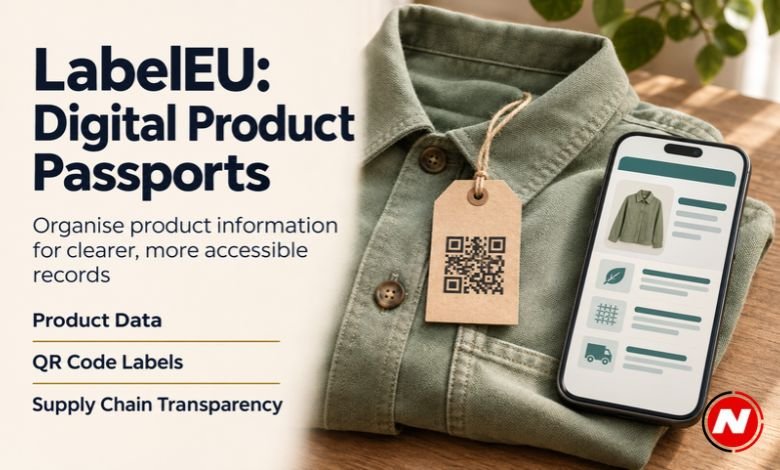
LabelEU addresses this gap through software designed to help businesses prepare Digital Product Passports. These digital records bring product information together, with QR codes linking a physical item to its online details.
For manufacturers and retailers, the idea raises questions. What information belongs in a passport? When does one become compulsory? Can software handle the whole process? The answers reveal both the promise of digital labeling and the careful preparation businesses still need.
What LabelEU Does and Why It Matters
The platform is a commercial software service that organizes and presents product data. It is separate from official European Union services, although it supports EU product-information requirements.
Its advertised tools include passport creation, QR code generation, product-data imports and physical label design. The provider lists textiles, batteries, furniture and toys among its supported categories.
A Digital Product Passport gives a product an online information record. Depending on the relevant rules and the product, that record may include details about materials, manufacturing, maintenance, environmental performance, or disposal.
The value lies in making those details accessible. A customer should not have to search through several documents to find care guidance, while a business needs a clear way to keep its records organized.
However, a digital passport is only useful when it contains dependable information. Software can make a record easier to build and read. Verifying the information’s accuracy remains a separate task.
That distinction is central to understanding what a passport platform can realistically offer.
From a Physical Label to a More Complete Product Story
Picture a small brand preparing to sell a new jacket. The design team knows its fabric composition. A supplier holds the manufacturing details. Customer service has written washing advice, while another colleague manages certificates.
Each person holds part of the story. The difficulty begins when someone needs a complete, consistent record.
A passport project provides a reason to bring those pieces together. Instead of treating product information as separate files scattered across departments, the business can create one organized record for the relevant item, batch, or model.
The public demo for LabelEU includes fields covering material composition, recycled content, origin and carbon footprint. It also shows options for care guidance, repair information and end-of-life instructions.
Those details could make a digital record useful beyond the moment of purchase. Clear maintenance guidance may help someone look after an item, while material information may support decisions when it reaches the end of its working life.
Still, more fields do not automatically mean better information. An unsupported environmental figure can be less useful than an honest explanation of what has actually been measured.
Businesses should therefore approach product traceability as an evidence task. Each important claim needs a source, a clear meaning and someone responsible for checking it.
Understanding EU Rules Without Getting Lost in the Deadlines
Much of the interest in digital passports comes from changes to European product rules. One major framework is the Ecodesign for Sustainable Products Regulation, commonly called ESPR.
The key point is that the framework does not set an immediate passport deadline for every product. Detailed obligations develop through rules covering particular product groups.
The planned adoption date for those rules also differs from the date businesses must start following them. Confusing the two can leave companies either rushing unnecessarily or preparing too late.
Batteries have a specific requirement under separate EU legislation. From 18 February 2027, battery passports are required for electric vehicle batteries, light means of transport batteries and industrial batteries with a capacity greater than 2 kWh.
Toys follow another route. The new EU Toy Safety Regulation introduces digital product passports, with the main rules applying from 1 August 2030.
For other categories, including textiles and furniture, businesses need to follow the relevant rule-making process and subsequent application dates. An indicative working-plan schedule should not be presented as a universal deadline.
For any company, the first step is identifying exactly what it sells and which legislation covers it. Only then can the team decide what data, technical arrangements and preparation it needs.
What Businesses Should Know Before Using the Platform
A convincing demo can make a new system feel ready for immediate use. Before building a launch around LabelEU, however, businesses should check what is currently available.
At the time of review, the provider’s homepage allows users to create up to three draft passports free of charge. It also states that passport packs are not currently on sale and publishing is paused.
That makes the distinction between preparing a record and making it publicly available particularly important. A team can explore the editor without assuming that every step of its intended rollout is available.
A sensible trial would begin with one representative product. Gather its supporting documents, work through the available fields, and note any missing or hard-to-verify information.
Before printing packaging, confirm how the QR code will work, where it will lead, and how the information will be maintained. Also ask about exports, access permissions, and how records will remain accessible.
The provider’s terms state that using its service does not guarantee regulatory compliance. Businesses remain responsible for accurate, complete information and meeting the requirements that apply to them.
That responsibility should shape the trial. The goal is to understand whether the software supports a workable process for the company’s products.
Why Good Product Information Starts Inside the Business
The most visible part of a digital passport is the page someone opens on a phone. The harder work often happens long before that moment.
Product details pass between suppliers, purchasing teams, designers, warehouses, and customer service. If each team uses different names or outdated documents, even a well-designed platform can display inconsistent information.
Consider a supplier changing a material during production. Who notices? Who checks whether the existing record still applies? Who approves the update before customers see it?
These questions deserve clear answers. Otherwise, an accurate passport can gradually become outdated.
A practical approach is to appoint a coordinator and give individual teams responsibility for approving the information they understand best. Keep evidence connected to the correct product version and review records when specifications change.
This also helps put supply chain transparency into everyday terms. Transparency means being able to explain a claim clearly and show what supports it.
For customers, useful information is often straightforward: how to maintain something, where to find repair guidance, or what its materials contain. For businesses, delivering that clarity requires behind-the-scenes discipline.
The strongest passport process connects the two: dependable internal records and understandable information for the people who need it.
Conclusion
LabelEU shows how software can help businesses bring product information into a more accessible digital format. Its practical value depends on accurate data, suitable features, and confirmation that the required services are available.
For companies preparing for digital passports, a useful first move is to examine one product closely. Gather the evidence, understand the relevant requirements, and establish who will maintain the record.
(FAQs)
What is LabelEU used for?
It helps businesses prepare and manage Digital Product Passports. Its advertised tools cover structured product information, QR codes, and label design, with support for several product categories.
Is it an official European Union platform?
No. It is a commercial software provider. Its connection to EU requirements relates to the purpose of its tools; using the service does not constitute approval by European authorities.
Do all products already need a digital passport?
No. Requirements depend on the product category and applicable legislation. Some have defined future deadlines, while others follow the development and introduction of product-specific rules.
Can a business try the service for free?
The homepage currently offers up to three free draft passports. It also says publishing is paused, so businesses should confirm the latest availability before planning to release public records.
Does a completed passport prove that a product complies?
No. Completing a form or generating a QR code does not establish full compliance. The business must check the applicable rules, verify its information, and retain the evidence needed to support relevant claims.