ImportPellet: What the Online Magazine Covers, Why the Name Appears in Wood Pellet Searches, and What Buyers Should Know

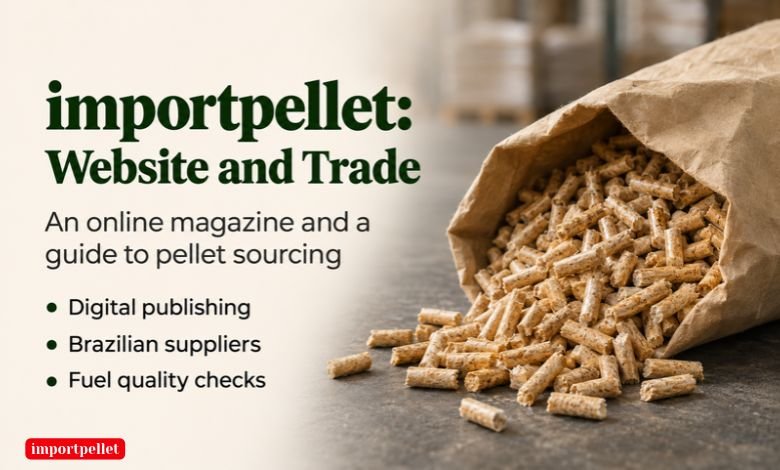
A search for ImportPellet can take you from celebrity profiles to the price of shipping fuel across an ocean. The name sounds like it belongs to an import business, yet published reviews use it to describe a general-interest website with articles on technology, business and everyday life. The same name also appears on a Brazilian sourcing page aimed at companies looking for wood pellet suppliers.
For anyone who landed on the wrong page, the confusion is understandable. A reader looking for an article needs to know what the website publishes and who writes it. A business looking for fuel has a different set of questions about suppliers, product quality and delivery costs. Here is what is known about both uses of the name and how to recognise each one.
What Do We Know About the ImportPellet Website?
Published reviews describe importpellet.it.com as a digital magazine with a homepage, topic categories and a search feature. The reported subjects include celebrity profiles, technology explainers, health, business and lifestyle. One review found that some sections had several posts while others had little or no content at the time.
The website could not be checked directly for this article, so those descriptions reflect what reviewers saw during their visits. One review also reported that the articles it examined were credited to “Admin”. The available information leaves the identity of the owner and editorial team unclear.
For readers, the publication date and sources on an individual article can help put its claims in context. A celebrity profile may draw on an interview that is easy to check. A technology guide may describe a feature that has since moved or changed. A quick look at the original interview or the software company’s release notes can help settle those questions.
Some coverage also mentions guest posting. Current submission rules, fees and review arrangements could not be confirmed. Writers interested in contributing would need to ask the publisher about the topics it accepts, how it reviews submissions and who retains the rights to the finished piece.
Why the Name Appears in Brazil’s Wood Pellet Trade
Mello Commodity uses the name ImportPellet on a sourcing page for overseas buyers. Its Brazilian Wood Pellet Suppliers Guide 2026 describes research on 17 producers, exporters and trading businesses. According to the company, the guide includes business contacts, information on export activity, certification details where available and a template buyers can use to request quotes.
Picture a heating-fuel distributor preparing for winter. A list of Brazilian wood pellet suppliers gives the distributor a place to start. The first calls might reveal that one company can meet the required volume but supplies pellets in bulk, while another offers retail bags but has a later loading date. The same shortlist can produce very different options once the buyer explains what the order requires.
The roles of the businesses matter as well. A producer makes the pellets, an exporter handles overseas sales, and a trading company may source fuel from several mills. One business can perform more than one of these jobs. Buyers need to identify the company signing the contract and ask where the fuel will be made. The available information establishes no business connection between Mello Commodity’s guide and the reported magazine.
How Wood Pellet Imports Work
Wood pellets are small cylinders made by pressing dry wood particles, such as sawdust, into a dense shape. They are used as biomass fuel in compatible stoves and boilers. The UN Food and Agriculture Organization reported that the world produced about 48 million tonnes of wood pellets in 2024, with roughly 31 million tonnes entering international trade.
A buyer usually starts by setting out the required grade, quantity, packaging and delivery window. Sending the same details to each supplier makes the quotes easier to compare. A price for bulk pellets collected at a mill covers a different set of costs from a price for bagged fuel delivered to a warehouse.
The agreed shipping terms help establish who arranges transport, who pays for each stage and when the risk of loss or damage passes to the buyer. Customs requirements depend on the destination. In the UK, importers can use the government’s Trade Tariff to find the relevant commodity code and check whether duty or VAT applies.
What Determines Pellet Quality and the Delivered Price?
A fuel specification tells buyers how the pellets are expected to perform. Moisture content measures how much water they contain. Ash content indicates how much solid residue remains after burning. Mechanical durability shows how well the pellets hold together during handling. Storage also plays a part, since pellets can absorb moisture and swell if exposed to damp conditions.
When a supplier claims ENplus certification, buyers can check the company and its certification status in the official producer or trader directory. For bagged pellets, the scheme also lists approved bag designs. The company name, certification details and packaging give buyers several points to check before placing an order.
There is also the landed cost, which is what it costs to get the fuel to the chosen destination. Depending on the quote, that can include freight, insurance, port charges, inland delivery and applicable duties or taxes. A supplier with a low price at the mill can become the more expensive choice by the time the pellets reach the buyer’s warehouse.
Conclusion
ImportPellet can lead to a general-interest magazine or to a guide for buyers exploring Brazil’s wood pellet market. The page itself usually gives the answer. Article categories and bylines point to a publication. Supplier contacts, fuel grades and shipping terms point to trade research. For readers, the question is who stands behind the story. For buyers, it is who stands behind the shipment.
(FAQs)
Is ImportPellet a magazine or a wood pellet supplier?
The name appears in descriptions of a general-interest magazine and on Mello Commodity’s page for a Brazilian supplier guide. The sources reviewed describe the magazine as a publication and the guide as a research product for buyers.
What topics does the online magazine cover?
Published reviews describe articles on technology, celebrities, business, health and lifestyle. The current size and activity of each section could not be checked directly.
Can I buy wood pellets through the Brazilian guide?
Mello Commodity presents the guide as a way to find and research suppliers. Buyers contact the listed businesses directly to discuss prices, order sizes and shipping arrangements.
How can I verify an ENplus certificate?
Search for the company in the official ENplus producer or trader directory and check its certification status. If the pellets come in bags, compare the packaging with the approved design listed for that company.
Why do imported wood pellets vary in price?
Grade, packaging, order size, shipping distance and delivery terms all affect the price. Quotes based on the same product specification and delivery point make it easier to compare the full cost per tonne.