

Safety Management System: Guide For Your Next Workshop
Safety Management System
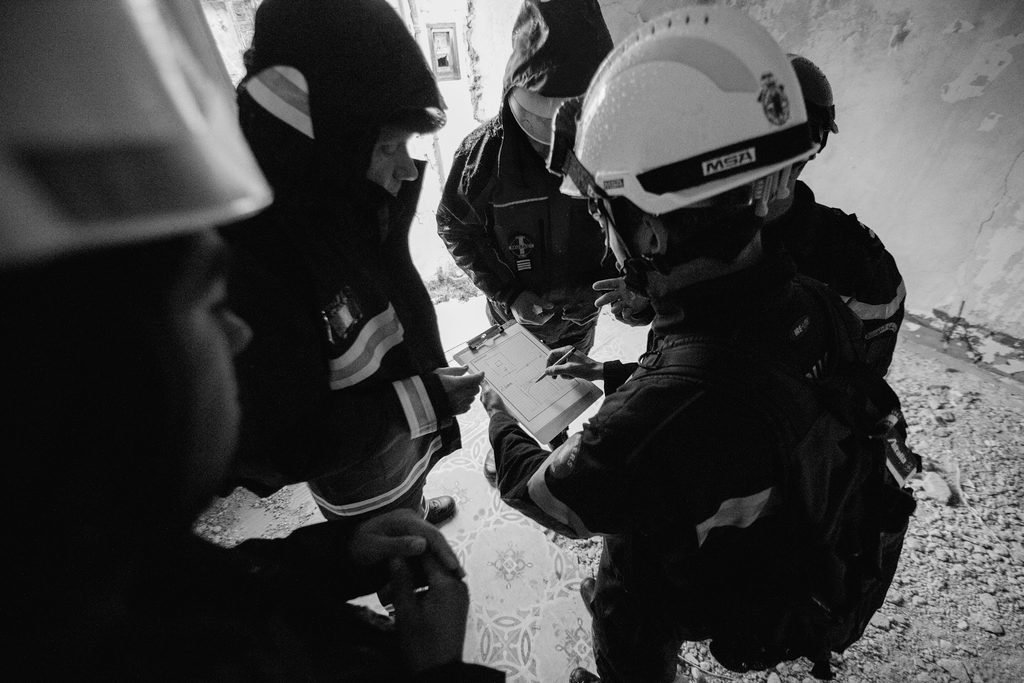
An Occupational Health and Safety Management System (OHSMS) at a workplace is essential to maintain thorough workplace safety. The management is able to mitigate risks, prevent dangerous and life-threatening hazards and minimise the frequency of accidents.
By fulfilling the requirements of a certified safety management system, the management is able to ensure complete workforce safety as it mentions specifications like provision of proper equipment to employees and creating emergency evacuation routes for faster evacuation during an actual emergency.
Regular training sessions and fulfilling legal requirements are now an essential component of the latest occupational health and safety management system. Learning about particular roles and responsibilities and framing well-defined measurable goals further helps in timely risk assessment.
Read on to learn more about how an emergency action plan can be framed for a small workshop to maintain the highest level of occupational health and safety management.
How Does An Emergency Action Plan Benefit Your Workplace?
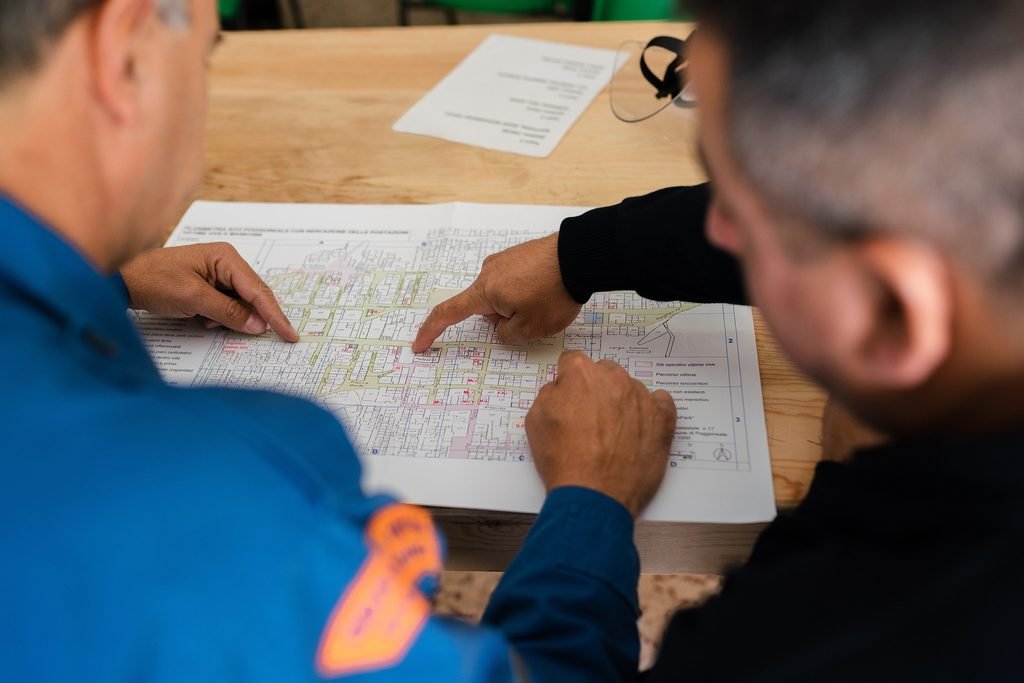
An emergency action plan is a set of procedures framed by the safety and security professionals. These professionals tailor the plan to the organisation’s nature and the workplace’s infrastructure.
The 4 essentials of an Occupational Health and Safety Management System are framing an appropriate safety policy, placing a safety risk management system that the workforce is educated about and ensuring complete safety assurance and safety promotion.
Components of EAP
- Mitigation of Hazards and Disasters: This component involves inspecting equipment, maintaining fire safety systems, and ensuring the building complies with relevant safety standards.
- Preparedness to Counter Disasters: This component involves planning and handling emergencies. Under an emergency action plan, emergency procedures are promptly developed, first-aid training is provided to employees and responsibilities are assigned to employees to complete evacuation on time.
- Timely Response: This component involves activating alarms, informing the concerned emergency services and coordinating with concerned response teams immediately. Clear communication ensures prompt decision-making and is an essential component of an emergency action plan.
- Prompt Recovery: Recovery focuses on restoring normal operations after an emergency. Damages are assessed, relevant medical and psychological support is provided and infrastructure is repaired and updated once the disaster is over.
Writing an Emergency Action Plan for a Small Workshop
For an emergency action plan to be successful, the workshop must comply with ISO 45001. The globally recognised standard offers guidelines to prevent injuries in the workplace. The aim of integrating an emergency action plan with ISO 45001 is to help maintain compliance with evolving domestic and international laws.
Here are the essentials of writing an emergency action plan for a small workshop:
- The plan must identify potential hazards by conducting a thorough assessment of the workplace and existing operations. Risks associated with vehicles, machinery, tools and materials must be covered.
- The plan must mention well-established emergency procedures. Procedures for fire outbreaks, any medical emergency, chemical spills that could cause a biohazard and power failures must be included. The instructions must be easy to understand so workers can stay safe without unnecessary delays during critical situations.
- The plan must mention clearly defined roles and assigned responsibilities of employees. These responsibilities must include trained professionals who alert management, contact emergency services and guide workers towards exits. The aim is to improve coordination, prevent confusion and ensure an organised response.
- The plan must mention evacuation routes and procedures. Emergency exits, assembly points and escape routes are a must and must be clearly drawn on maps at visible locations. Regular evacuation drills must be conducted so that the workers know how to leave the workshop safely.
- The plan must provide training on how to use the latest emergency equipment. A job safety analysis must be done in advance to learn about the ergonomics of a workplace and the general property. Fire extinguishers, first-aid kits, emergency alarms and lighting must be readily available, easily accessible and in good condition at all times.
- The plan must establish proper communication procedures for informing employees about emergencies. Important contact numbers for ambulances, firefighters, police and nearby hospitals must be displayed at all times. Prompt sharing of information with concerned authorities is essential to avert a crisis in time.
Conclusion
Risk assessment is a thorough process under an occupational health and safety management system. For an emergency plan to work, hazard identification and risk assessment are essential for effective decision-making. With an emergency action plan integrated into the safety management system, operational continuity is maintained, employees are trained regularly and maintenance of safety equipment is achieved consistently. The purposes of safety, comfort, efficiency and productivity are achieved with the integration of safety management software and an emergency action plan.
Frequently Asked Questions
Q. 1 What does ISO 14001 specify?
Answer 1: By complying with ISO 14001, the management of an organisation can minimise the impact of operations on the environment. The aim of following this is to standardise and reduce ecological impact, promptly comply with environmental regulations and laws to reduce penalties and fines.
Q. 2 What are the advantages offered by an environment, health and safety (EHS) management system?
Answer 2: Advantages offered by the EHS management system are enhanced employee productivity owing to a safe working space created for them; reduced number of accidents at the workplace, consequently, lowering overhead operational costs and fines. Having the best EHS management system further adds to the reputation of a company.
Q. 3 What are the principles on which the best occupational health and safety management system is based?
Answer 3: The principles on which an occupational health and safety management system is based include a thorough safety policy, a risk assessment and management system and appropriate training of staff members from time to time.
Q. 4 How does OHSMS differ from OSHA?
Answer 4: OHSMS stands for Occupational Health and Safety Management System whereas OSHA stands for Occupational Safety and Health Administration. While OHSMS focuses on managing workplace safety in general for employees, OSHA is a specifically US-based agency that enforces standards to protect workers from workplace accidents and hazards.
Q. 5 How is HIRA implemented?
Answer: The first step in implementing HIRA is studying the affected area, followed by conducting a timely risk assessment plan. The third phase includes eliminating any risk of accidents and hazards. The purpose of HIRA is to do the groundwork for management before initiating an emergency action plan.

