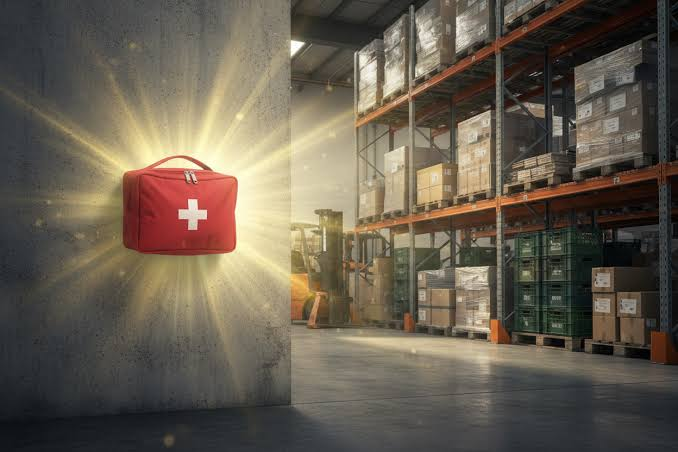
Industrial environments pose unique risks that a standard first aid kit simply can’t fix. Specialized emergency training reduces workplace injuries, ensures compliance with safety regulations, and builds a culture of vigilance. Discover why comprehensive safety protocols are critical for heavy-duty worksites and how they protect your crew.
Why is a Basic Safety Briefing Not Enough?
Walk onto any factory floor, and you’ll see hazard signs everywhere. Hard hats required. Safety glasses are mandatory. But what happens when an accident actually occurs? A laminated poster on the wall won’t stop severe bleeding, and a basic band-aid station isn’t going to help someone who collapses near heavy machinery.
That’s why modern businesses are shifting their focus. They realize that true safety requires hands-on preparation. Investing in proper industrial first aid training isn’t just about ticking off a compliance box for the safety inspector. It is about giving your crew the actual skills to save a colleague’s life before the ambulance arrives.
What Specific Risks Do Industrial Workers Face?
An office worker might get a paper cut or spill hot coffee. A warehouse worker? They deal with forklifts, chemical spills, high-voltage equipment, and heavy loads suspended in the air. The risks are magnified tenfold.
When things go wrong in these environments, they go wrong fast.
● Crush injuries: Heavy machinery accidents require immediate trauma response to prevent severe blood loss.
● Chemical exposure: Knowing how to flush eyes and skin properly can save a worker’s vision.
● Cardiac events: High-stress, physically demanding jobs increase the risk of sudden cardiac arrest, making early AED intervention essential.
How Does Proper Training Impact Workplace Culture?
Have you ever noticed how safety changes when people actually understand the “why” behind the rules? When you train your staff to handle emergencies, they start looking out for each other. They spot hazards before an accident even happens.
It builds a shared sense of responsibility. Your employees aren’t just clocking in and out; they become active participants in their own safety. Plus, knowing that their employer invested in their physical well-being builds serious trust across the entire team.
Are Blended Learning Options Available for Busy Crews?
Taking an entire shift off the floor for training hurts production. I completely get it. The good news is that safety training has evolved. You don’t have to sit in a stuffy classroom for two straight days anymore.
Blended learning allows workers to complete the theoretical part online at their own pace. They can do it at home or during downtime in the breakroom. Then, they come in for a focused, hands-on session to practice CPR compressions and trauma care. It is highly efficient and keeps your operations running smoothly.
If you are looking for safety certifications near Capitol Hill Crescent NW, Confederation Park, or other areas close to our facility in the Northwest, then you may reach out to Coast2Coast First Aid/CPR – Calgary in that area. For more info, course schedules, and articles like this, visit: https://www.c2cfirstaidaquatics.com/
Frequently Asked Questions
What makes industrial first aid different from standard first aid? Industrial training often focuses heavily on severe trauma, environmental hazards, and complex scenarios like crush injuries or chemical burns. These incidents are far more common in heavy-duty work environments than in a standard office setting.
How often should warehouse workers renew their safety certifications? Most standard Canadian Red Cross First Aid and CPR certifications are valid for three years from the issue date. However, high-risk industries often recommend or legally require annual refresher courses to keep life-saving skills sharp.
Does our workplace need an AED on site? While regulations vary by specific region and industry, having an Automated External Defibrillator (AED) is highly recommended for all industrial sites. Quick access to an AED drastically increases survival rates during sudden cardiac arrest.
Can employees complete the training entirely online? No. While the theory portion can often be completed online through a blended learning model, hands-on physical skills must be evaluated in person. An instructor needs to ensure workers can physically perform CPR compressions and apply bandages correctly.
Are employers liable if a trained employee makes a mistake during first aid? Generally, Good Samaritan laws protect individuals who provide emergency assistance voluntarily and without gross negligence. The primary focus of these laws is to encourage immediate, well-intentioned care until professional medical help arrives on the scene.