
Vegg List: The Simple Vegetable Guide That Makes Shopping and Meal Planning Easier

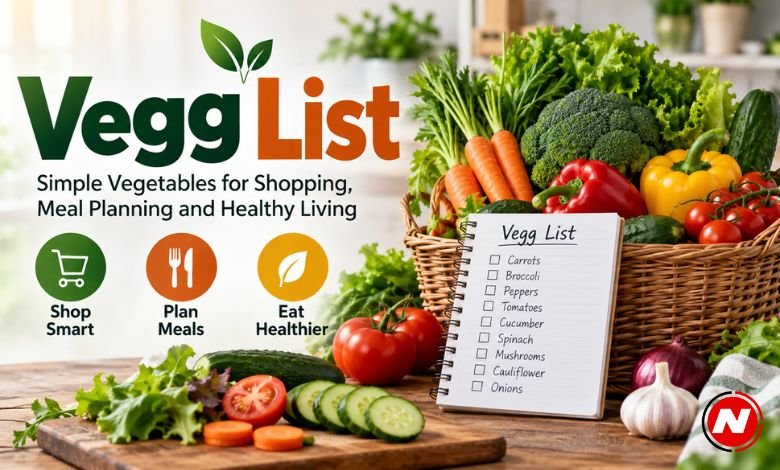
A Vegg List may sound simple, but it can completely change the way you shop for fresh food. Instead of walking through the vegetable aisle and picking up whatever looks good, a clear list gives every purchase a purpose.
The term is commonly used as a short form of vegetable list. It can include everyday favorites such as carrots and broccoli, leafy greens, salad vegetables, root vegetables, and less familiar produce you may want to try.
For busy households, a Vegg List can also connect grocery shopping with meal planning. It helps you remember what you need, add more variety to meals, and avoid buying vegetables that end up forgotten at the back of the fridge. For UK shoppers, it can also make the government’s 5 A Day advice easier to follow.
What Is a Vegg List and Why Is It Useful?
At its core, a Vegg List is an organized collection of vegetables. Some people use one as a weekly grocery list, while others keep a larger list of vegetables they regularly cook or want to discover.
The idea becomes useful when you organize the list around real meals. Imagine shopping without a plan. You buy spinach because it looks fresh, a bag of peppers because they are on offer, and perhaps a cauliflower because you think you should eat more vegetables. Several days later, you may still have no idea what to cook with them.
A planned grocery shopping list works differently. Spinach might be intended for an omelet, peppers for a pasta dish, and cauliflower for a Sunday roast. Suddenly, those vegetables have a clear place in the week’s meals.
A simple list can also remind you to buy different types of fresh produce, rather than choosing the same two or three vegetables every week.
One useful approach is to divide vegetables into groups:
Leafy greens: spinach, kale, lettuce, cabbage, watercress and spring greens.
Root vegetables: carrots, beetroot, parsnips, turnips and swede.
Cruciferous vegetables: broccoli, cauliflower, Brussels sprouts and cabbage.
Salad vegetables: tomatoes, cucumber, celery, radishes and peppers.
Other everyday vegetables: courgettes, aubergines, mushrooms, onions, peas, sweetcorn and green beans.
Botanical classifications can be more complicated. Foods such as tomatoes, peppers and aubergines are technically fruits in botanical terms, but they are normally treated as vegetables in cooking. For a practical shopping list, culinary use matters more than creating a scientific classification.
Building a Veggie List for Everyday Shopping
A good list doesn’t need to include every vegetable available in the supermarket. In fact, an enormous list can make shopping harder, not easier.
Start with the meals you expect to cook during the next few days. If you are making a curry, soup, stir-fry, and roast dinner, write down the vegetables you need for those dishes first.
Then add a few flexible vegetables that work across different meals. Onions, carrots, peppers, spinach, frozen peas and broccoli can all be used in many ways, making them practical choices when plans change.
It also helps to think about how quickly different vegetables need to be used. Delicate salad leaves may need to be eaten relatively soon, while many root vegetables can generally stay usable for longer when stored correctly. This can help you decide which meals to cook earlier in the week.
Your list might look something like this:
For salads: lettuce, cucumber, tomato and radish.
For cooked meals: broccoli, carrots, onions, peppers and courgettes.
For roasting: parsnips, beetroot, cauliflower and sweet potato.
For quick meals: frozen peas, spinach, sweetcorn and mushrooms.
Frozen and tinned options should not automatically be ignored. UK NHS guidance confirms that fresh, frozen and canned vegetables can contribute towards 5 A Day. For canned vegetables, choose varieties in water without added salt or sugar.
This means a practical vegetable list does not have to depend entirely on fresh produce. Keeping some frozen vegetables at home can be especially useful when you need to prepare a quick meal without another trip to the shops.
Using Your Vegg List to Add More Variety
The real value of a Vegg List comes from encouraging variety.
It is easy to fall into a routine. Carrots appear beside dinner, lettuce goes into sandwiches, and peas come out of the freezer. There is nothing wrong with familiar choices, but a list can gently encourage you to change things.
One week, you might add beetroot. Another week, you could try kale, asparagus, aubergine or watercress. You do not need to completely change the way you eat. Adding one different vegetable at a time is enough to create more variety.
Color can also be a useful shopping prompt. A basket containing leafy greens, orange carrots, red peppers, purple aubergine and white cauliflower naturally gives you a broader range of produce than buying several vegetables of the same kind.
UK government guidance recommends eating at least five portions of a variety of fruit and vegetables every day as part of a balanced diet. The NHS states that an adult portion of fresh, canned or frozen fruit or vegetables is generally around 80g.
It is worth noticing the word variety. The goal is not simply to eat the same vegetable repeatedly. Different choices make meals more interesting and provide a wider mixture of foods in your diet.
A Vegg List therefore becomes more than something you carry to the supermarket. It can act as a simple reminder to move beyond your usual favorites.
What Counts Towards Your 5 A Day in the UK?
This is where vegetable lists can sometimes become confusing.
Most vegetables can contribute towards the UK’s 5 A Day, whether fresh, frozen, or canned. Vegetables included in soups, stews and other dishes can also count.
However, some important exceptions apply.
Ordinary potatoes do not count towards 5 A Day because they are nutritionally treated as a starchy food and are commonly eaten in place of foods such as bread, pasta or rice. Sweet potatoes, parsnips, swede and turnips can count.
Beans, lentils and other pulses are another special case. Around 80g counts as one portion, but beans and pulses count as a maximum of one portion per day, regardless of how much you eat.
You also do not have to rely on five separate plates of vegetables. A salad at lunch, vegetables in a pasta sauce, a portion beside dinner, and fruit eaten at other points during the day can all count.
This makes healthy meal planning far less complicated than it might first appear. The aim is not perfection at every meal. It is to build variety across the day and make fruit and vegetables a normal part of what you eat.
A well-planned list makes that easier because the ingredients are already in the kitchen when you need them.
Conclusion
A Vegg List turns a basic vegetable list into a useful tool for smarter shopping and easier cooking. By grouping vegetables, planning meals around them, mixing fresh and frozen options, and trying different produce, you can make everyday food decisions much simpler.
It can also make healthy eating feel more manageable. UK guidance recommends at least five portions of varied fruit and vegetables each day, but reaching that target does not require complicated recipes or an overflowing fridge.
Start with vegetables you already enjoy, add a few new choices, and buy what you genuinely expect to use. A small, thoughtful list is often far more useful than a huge one you never follow.
(FAQs)
What does Vegg List mean?
A Vegg List is generally an informal way of saying vegetable list. You can use it for grocery shopping, meal planning, or tracking vegetables you want to eat or try.
What vegetables should I put on my shopping list?
Choose vegetables based on the meals you plan to cook. Useful everyday options include carrots, onions, broccoli, spinach, peppers, tomatoes, cucumber, mushrooms, peas and cauliflower. Adding one or two different seasonal vegetables can also increase variety.
Do frozen vegetables count towards 5 A Day?
Yes. NHS guidance says frozen vegetables can count towards your 5 A Day, just like fresh and canned vegetables.
Do potatoes count as vegetables for 5 A Day?
Potatoes are vegetables botanically, but ordinary potatoes do not count towards the UK’s 5 A Day because nutritional guidance treats them as a starchy food. Sweet potatoes do count.
How much is one portion of vegetables?
For adults, a typical portion of fresh, frozen or canned vegetables is around 80g. NHS examples include roughly three heaped tablespoons of cooked vegetables, although the exact appearance varies by vegetable.
Can a vegetable list help reduce food waste?
It can help. Planning vegetables around specific meals gives you a reason for buying each item and makes it easier to see what needs to be used first. The biggest benefit comes from buying realistic amounts rather than filling the fridge without a meal plan.
