Sonja Jessup: How the BBC London Journalist Built Trust Through Powerful Crime Reporting

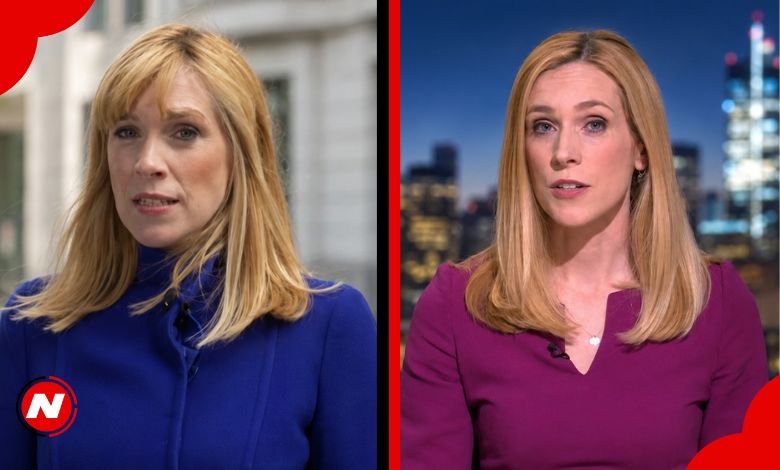
London never stays quiet for long. From major police investigations to court cases and community safety concerns, the capital produces stories that demand careful, responsible reporting. Sonja Jessup has become closely associated with explaining many of these difficult subjects to television and online audiences.
She is a British journalist, television presenter and Home Affairs Correspondent working with BBC London News. After spending years presenting news programmes, she moved towards specialist reporting focused on crime, policing and justice across London. Her calm delivery and people-centred approach have made her work particularly suited to sensitive stories.
Unlike television personalities who place their private lives in the spotlight, Jessup keeps public attention mainly on her journalism. Her career is built around asking serious questions, listening to victims and helping viewers understand how decisions made by powerful organisations affect ordinary people.
Quick Bio
| Field | Details |
|---|---|
| Full Name | Sonja Jessup |
| Profession | Journalist and television presenter |
| Nationality | British |
| Known For | Presenting and reporting for BBC London News |
| Current Role | Home Affairs Correspondent and presenter |
| Network | BBC News / BBC London |
| Main Reporting Areas | Crime, policing, justice and public safety |
| Education | City, University of London |
| Years Active | Not publicly confirmed |
| Date of Birth | Not publicly available |
| Marital Status | Not publicly confirmed |
| Residence | London, United Kingdom |
| Notable Skills | Live presenting, investigative reporting and sensitive interviews |
Sonja Jessup’s Background in British Journalism
Sonja Jessup works as a Home Affairs Correspondent and presenter for BBC London News. Her professional profile also connects her with BBC News and identifies City, University of London as part of her educational background.
Detailed information about her childhood, date of birth and family background has not been widely shared through reliable public sources. This means her public reputation comes almost entirely from her broadcasting career rather than personal publicity.
Before specialising in home affairs, Jessup spent around ten years presenting television news. Her work included presenting BBC London’s main evening programme as well as lunchtime, late evening and breakfast bulletins.
Presenting live television news requires much more than reading prepared words. Stories can change while a programme is already on air. A presenter must remain calm, understand the subject quickly and guide viewers through new information without causing confusion.
That experience appears to have prepared Jessup for more detailed reporting. It gave her the confidence to communicate clearly while also developing the judgement needed for sensitive interviews and breaking news situations.
Her earlier appearances also show that she has been connected with BBC London for many years. Public television records list her as a BBC London News presenter, including during the Vote 2014 coverage.
Moving from News Presenter to Home Affairs Correspondent
The most important change in Sonja Jessup’s career came when she moved from regular studio presenting into the Home Affairs Correspondent role.
The position was initially expected to last only four months. However, the temporary contract continued for 19 months before she announced that she would officially remain in the job. Jessup described the role as an important opportunity and expressed gratitude towards people who had trusted her to report experiences involving deep loss and trauma.
This development was significant because home affairs is one of the most demanding areas of journalism. It can include crime, policing, public safety, courts, justice, violence against women and the relationship between communities and public institutions.
A journalist covering these subjects must carefully balance several responsibilities. The public needs accurate information, but victims and families must also be treated with dignity. Serious allegations need context, while legal restrictions must be respected.
Jessup had earlier confirmed that she was continuing in the correspondent role during a challenging period for the Metropolitan Police. At the time, she specifically highlighted her interest in reporting on policing across London.
Her combination of presentation and reporting experience allows her to work both inside the studio and at the centre of a developing story. One day may involve explaining police statistics, while another may involve interviewing someone whose life has been changed by crime.
That variety is an important part of her professional identity. She is not simply a television newsreader. Her role involves researching stories, speaking with communities and examining whether powerful organisations are meeting their responsibilities.
Reporting Crime, Policing and Justice Across London
The main focus of Sonja Jessup’s reporting is crime and policing in London. Her published work has covered subjects including knife crime, police vetting, shoplifting, violence against women, live facial-recognition technology and access to police station front counters.
These stories may appear separate, but they are connected by a larger question: how safe do Londoners feel, and how much confidence do they have in the organisations responsible for protecting them?
One of her reports examined concerns about possible errors in Metropolitan Police vetting. The subject was important because police vetting is designed to prevent unsuitable people from gaining or keeping positions of authority. Failures in that process can damage public trust.
Another report explored reductions in the number of police front counters open throughout the day and night. Although changes to opening hours may appear administrative, they can affect how easily people report crimes or seek help in an emergency.
Jessup has also reported on the controversial use of live facial-recognition technology. One case involved a man who said the system had wrongly identified him as a wanted person. The report connected one individual’s experience with wider concerns about accuracy, privacy and police powers.
Knife crime is another major subject within her work. Reporting on knife violence requires care because statistics alone cannot show the full damage caused to survivors, families and communities.
She has covered warnings about the impact of financial pressures on efforts to reduce knife crime, theft and violence against women. Such reports help viewers understand that public safety is shaped not only by police action but also by funding, policy and prevention work.
Giving Victims and Communities a Voice
A strong feature of Sonja Jessup’s journalism is the attention given to people directly affected by crime or institutional failure.
In one report, a woman received an apology from the Metropolitan Police after saying she had been groomed by a predatory officer. According to the report, the force had failed to investigate her concerns properly and had spread incorrect information about her mental health.
The story was not only about one police complaint. It raised wider questions about how victims are treated when they report misconduct involving people in positions of authority.
Jessup has also covered the continuing impact of the Child Q case, in which a teenage girl was strip-searched by police officers at her school. Her reporting included the reactions of other young people who questioned whether a similar incident could happen to them.
The inclusion of those voices helped show how one case can affect trust in a whole community. If a young person feels that a peer has been unfairly treated, they may have a different view of the police.
Her work has also examined shoplifting from the viewpoint of local business owners. Theft, financial loss and fear are a daily reality for small retailers, but shoplifting is often brushed off as a minor offence.
By talking to the people who are directly affected, a correspondent can show the human consequences behind official crime figures.
The same principle applies to historical crime reporting, including a case that was uncovered nearly 50 years later when a long-held family secret surfaced.
Such cases require especially sensitive reporting because they involve old evidence, painful memories and families who may have waited decades for the truth.
Why Sonja Jessup’s Reporting Matters
Regional journalism plays an important role in connecting large public institutions with the people they serve. National headlines may focus on government policy, but regional reporters show how those decisions affect individual streets, families and communities.
For a city as large and diverse as London, that work is especially important. Crime and policing can affect different communities in very different ways.
Jessup’s reporting frequently links official decisions with personal experiences. Police technology is explained through the experience of someone wrongly identified. Changes to public services are viewed through the concerns of people who depend on them.
This puts complex subjects into a human context while fostering accountability by placing official claims alongside the experiences of victims, witnesses, and community members.
Her years as a presenter add another strength. Television reports usually have little time, so complex events must be explained in simple English without missing important details.
As of 2026, Sonja Jessup remains publicly listed as a Home Affairs Correspondent and presenter for BBC London News and BBC News.
Her work shows that regional reporting is not limited to small or less important stories. A local crime can expose a national policy problem, while one person’s complaint can reveal wider failures inside a major institution.
Conclusion
Sonja Jessup has developed a strong career by combining the confidence of a television presenter with the careful judgement of a specialist reporter. Her coverage of crime, policing and justice helps viewers understand some of the most difficult issues facing London.
Her reports frequently go beyond official statements and statistics. She speaks to victims, families, young people and local businesses to show how decisions made at an institutional level can impact real lives.
Although she keeps her private life away from public attention, her professional work remains highly visible. In a city where major stories can unfold at any moment, Jessup’s clear and sensitive approach continues to make her an important voice within BBC London journalism.
Also read: Lucy Lyster: The Private Life and Creative Career Behind Her Marriage to Harry Enfield
(FAQs)
Who is Sonja Jessup?
Sonja Jessup is a British journalist, television presenter and Home Affairs Correspondent associated with BBC London News.
What does Sonja Jessup report on?
She reports mainly on crime, policing, courts, justice, public safety, knife crime, violence against women and issues involving the Metropolitan Police.
Is Sonja Jessup a BBC London News presenter?
Yes. She has presented several BBC London News programmes and has also worked as a reporter and specialist correspondent.
How long did she work as a news presenter?
Her public professional biography states that she spent around ten years presenting before moving into specialist home affairs reporting.
Is information available about Sonja Jessup’s husband or family?
Reliable public sources provide very little confirmed information about her relationships or family life.
Is Sonja Jessup still with BBC London?
As of July 2026, her current public profiles still list her as a BBC London Home Affairs Correspondent and presenter.