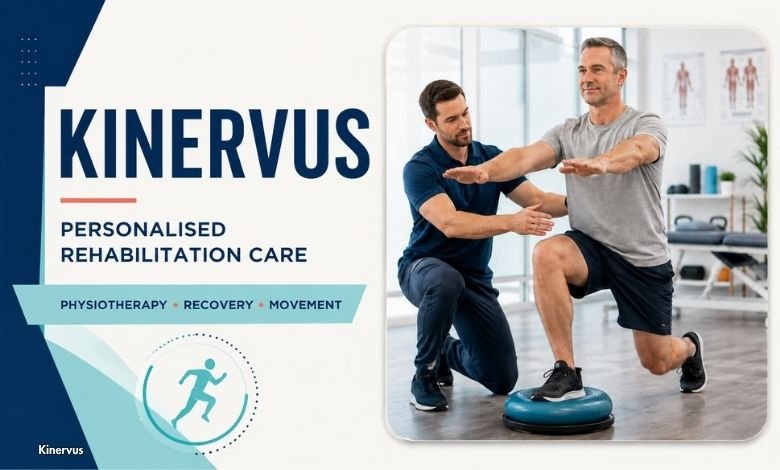
A movement that looks simple to one person can feel like a major achievement to another. Standing without support, holding a pen or walking across a room may become difficult after an illness, injury or neurological condition. This is where carefully planned rehabilitation can make a real difference.
Kinervus is a physiotherapy and rehabilitation practice in Alken, Limburg, Belgium. It provides specialised support for adults and children who face physical, neurological or developmental challenges. Its main services include neurological rehabilitation, paediatric physiotherapy, manual lymphatic drainage and guided group exercise.
The practice follows a personal approach rather than using the same treatment plan for every patient. Each programme is shaped around the person’s condition, abilities and everyday goals.
The Background of Kinervus
Kinervus was established in 2019 by physiotherapist Stefanie Ver Eecken. It began as a specialised practice in Alken and later developed into a group setting where therapists could support patients with a range of rehabilitation needs.
The clinic is particularly connected with neurological physiotherapy. This area of care supports people whose movement has been affected by a problem involving the brain, spinal cord or nervous system. Such conditions can change balance, strength, coordination and the ability to complete ordinary tasks.
Rehabilitation is rarely limited to reducing pain. For many patients, the bigger goal is to remain active and independent. This may involve practising how to stand from a chair, improving walking control or learning a safer way to move around the home.
The practice also works with children who experience delays or difficulties in physical development. Manual lymphatic drainage and supervised exercise classes form other important parts of its services.
What links these areas together is the focus on individual needs. A diagnosis can explain part of a person’s health problem, but it does not tell the full story. Therapists must also understand how that problem affects school, work, family life and personal confidence.
Neurological Rehabilitation and Everyday Movement
Neurological rehabilitation is designed for people with conditions affecting the nervous system. These conditions may develop suddenly, as in a stroke or serious injury, or progress gradually over a longer period.
Patients with multiple sclerosis, Parkinson’s disease, ALS, brain injuries, spinal cord damage, nerve injuries and certain neuromuscular disorders may require this type of support. People experiencing vertigo or ongoing balance problems may also benefit from an individual assessment.
At Kinervus, treatment is mainly based on exercise therapy adapted to the patient. Before planning exercises, the therapist considers which movements or daily activities are causing difficulty. This helps keep rehabilitation connected to real life.
One person might need to improve walking and balance after a stroke. Another may want to maintain strength while living with a progressive condition. Someone else may need help with hand control, posture or safe transfers between a bed and a chair.
These differences matter because neurological conditions do not affect every patient in the same way. Even two people with the same diagnosis may have completely different abilities, symptoms and priorities.
For some patients, the aim is to recover a function that has been lost. For others, it may be more realistic to preserve their present level of movement and delay further decline. Setting honest and practical goals can make treatment more useful and less frustrating.
Repetition is also important. The nervous system often needs regular practice to improve or maintain a movement pattern. Progress may appear slowly, but small changes can have a strong effect on independence and quality of life.
Paediatric Rehabilitation Through Play and Practice
Children need a different style of physiotherapy from adults. A young child may not understand why an exercise matters, and a repetitive programme can quickly become tiring. Sessions must therefore be interesting, suitable for the child’s age and connected to movement they understand.
Paediatric rehabilitation uses creative activities to help children develop physical abilities. Play can encourage a child to reach, balance, crawl, grip, throw or coordinate movements without making the session feel like a formal medical routine.
The clinic supports children with delayed motor development, coordination difficulties, writing problems and limited body awareness. It may also help with posture preferences and laterality problems, where a child has difficulty using both sides of the body in a balanced way.
Children with cerebral palsy, spina bifida or other neurological conditions may require more specialised neuromotor support. Their therapy may focus on movement control, muscle function, posture and participation in everyday activities.
Fine motor skills can be another area of treatment. A child who finds handwriting difficult may need help with pencil control, hand strength, sitting position or coordination between the eyes and hands.
Family involvement is often valuable because parents see how the child moves outside the clinic. Teachers and other healthcare professionals may also provide useful information. When these people communicate properly, the child can receive more consistent support at home, at school and during therapy.
The goal is not to force every child to develop at an identical speed. It is to recognise the individual challenge and help the child build useful skills in a supportive setting.
Manual Lymphatic Drainage and Swelling Management
The lymphatic system is part of the body’s fluid-management and immune systems. It carries lymph through a network of vessels and nodes. When this system cannot move fluid effectively, swelling may develop in a particular area.
This condition is commonly known as lymphoedema. It may occur after surgery, illness, damage to lymph vessels or other medical problems. The swelling can cause tightness, discomfort and difficulty with movement.
Manual lymphatic drainage is a gentle technique used to encourage the movement of fluid. The clinic uses an approach based on the Vodder method, which involves soft, controlled movements rather than deep or forceful massage.
A treatment programme may include more than hands-on therapy. Bandaging or kinesiology tape may be used when suitable. The therapist can also provide guidance based on the location and seriousness of the swelling.
The number and length of appointments are not identical for every patient. Some people may need regular sessions, while others require a different schedule. The cause of the swelling, medical history and response to treatment all influence the plan.
Unexplained swelling should never be treated without proper assessment. It can have several causes, and some require medical attention. Patients should speak with a qualified healthcare professional before beginning treatment.
Group Exercise With Individual Guidance
Individual physiotherapy gives a patient direct attention, but group exercise offers other benefits. It creates a social setting where people can work towards physical goals while meeting others who may understand similar challenges.
The group sessions available at the practice generally last for 60 minutes. They are supervised by therapists and include exercises that can be adjusted to different ability levels.
Classes for neurological patients cover areas such as posture, balance, fitness, arm and hand function, and non-contact boxing. Each class has a practical purpose rather than focusing only on general exercise.
Balance training may help participants improve stability and confidence during movement. Exercises can involve both fixed positions and controlled movement. Better balance may also lower the risk of falls, although results depend on the person and condition.
Arm-and-hand sessions focus on movements that people use in ordinary life. Eating, dressing, writing and personal care all depend on a combination of strength, coordination and fine motor control.
Non-contact boxing adds a more energetic element. Participants do not fight one another. Instead, they work with pads, punch bags or a therapist. The activity may involve balance, speed, memory, hand-eye coordination and decision-making.
Fitness sessions help patients work on stamina and general physical capacity. Exercises may use body weight, equipment or light resistance. The pace and difficulty can be changed according to individual safety and ability.
A Core+ class is also offered for people who want to strengthen muscles around the back, abdomen and pelvis. These muscles support posture and stability during actions such as bending, lifting and turning.
Group rehabilitation can also reduce isolation. A person living with a long-term condition may have fewer chances to take part in social activities. Exercising with others can bring structure, encouragement and a sense of shared progress.
Why Personal Treatment Plans Matter
No two rehabilitation journeys follow exactly the same path. Age, diagnosis, general health and daily responsibilities can all influence progress. Emotional confidence and fear of falling may affect movement as much as physical weakness.
The strength of Kinervus lies in connecting treatment with personal goals. A therapist may have clinical targets in mind, but the patient also needs to understand how those targets relate to life outside the treatment room.
For one person, independence might mean walking to a nearby shop. For another, it could mean holding a cup without assistance. A child’s goal may be joining playground activities or writing more comfortably at school.
Treatment plans also need regular review. An exercise that was difficult at the beginning may become too easy later. In other cases, tiredness, pain or a change in health may require a slower approach.
Progress should not be measured only through dramatic physical changes. Greater confidence, safer movement and better control during daily tasks can also be meaningful results.
Conclusion
Kinervus brings several forms of specialised physiotherapy together under one personal model of care. Its work covers neurological conditions, childhood motor development, lymphatic swelling and guided group exercise.
The practice shows why rehabilitation is about more than completing a list of exercises. It is about helping people manage real challenges, maintain useful abilities and take part more confidently in daily life. Progress may arrive one movement at a time, but even a small improvement can carry real meaning.
(FAQs)
What services does the clinic provide?
Its main services include neurological rehabilitation, paediatric physiotherapy, manual lymphatic drainage and supervised group exercise. Treatment depends on the needs and condition of each patient.
Who can receive neurological physiotherapy?
People with stroke-related difficulties, Parkinson’s disease, multiple sclerosis, brain injuries, spinal cord conditions, neuromuscular disorders and certain balance problems may be considered. A therapist must assess whether treatment is appropriate.
Does it offer physiotherapy for children?
Yes. Paediatric rehabilitation is available for children with motor delays, coordination problems, writing difficulties, posture concerns and some neurological conditions.
What is manual lymphatic drainage?
It is a gentle hands-on technique intended to support the movement of lymphatic fluid. It may be included in the management of lymphoedema after a proper medical or physiotherapy assessment.
Are group classes competitive?
No. The sessions are designed around safe exercise, participation and personal progress. Activities can be changed according to a participant’s physical ability.
Where is Kinervus located?
The practice is located in Alken in the Belgian province of Limburg. Anyone interested in treatment should contact the clinic to confirm availability and arrange an appointment.