Seasonal residents often want a Florida home that is comfortable during extended visits but manageable when they are away. Buyers comparing new homes in Bradenton, FL, and surrounding communities should evaluate maintenance, security, storage, association responsibilities, and access to everyday services before selecting a property.
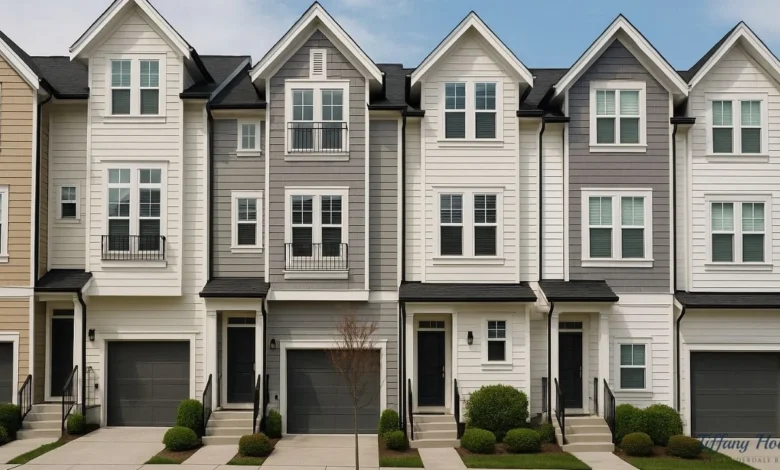
A new home community may provide housing choices that fit different travel patterns and household sizes. New townhomes can appeal to seasonal buyers because they may offer efficient layouts and certain shared maintenance services, while new construction homes provide modern systems and unused living spaces. The exact benefits and responsibilities vary by property.
Evaluate the Floor Plan for Daily Living
A seasonal residence should support ordinary routines rather than feel like temporary lodging. Buyers should consider bedroom privacy, kitchen storage, laundry access, parking, and comfortable living areas.
An additional bedroom or flex room may accommodate visiting relatives without requiring a much larger property. A den can also provide space for remote work, reading, or hobbies during an extended stay.
Multi-level layouts can separate bedrooms from active gathering areas, but stairs may not suit every buyer. Consider current mobility, visiting relatives, and future needs before choosing a floor plan.
Understand Exterior Maintenance Responsibilities
Townhome communities may maintain certain exterior areas, but services differ. Buyers should never assume that association fees cover every exterior responsibility.
Documents may describe who maintains landscaping, roofs, exterior walls, driveways, irrigation, and shared areas. Buyers should also ask how repairs are reported, approved, scheduled, and funded.
Understanding these responsibilities is particularly important for seasonal owners who may be away when a problem occurs. The association’s obligations and the owner’s duties should be clear before closing.
Review Association Rules and Fees
Association fees affect the monthly cost of ownership even when the residence is unoccupied. Buyers should understand the current fee, included services, payment schedule, reserves, and history of special assessments.
Community rules may address parking, exterior decorations, guests, pets, leasing, renovations, and use of shared amenities. Seasonal residents should confirm that these requirements match their plans for the property.
Meeting minutes, budgets, governing documents, and available financial records may provide useful information. Buyers can consult appropriate professionals when they need help interpreting legal or financial documents.
Plan for Security During Absences
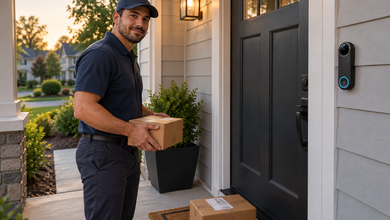
A residence left unoccupied for part of the year requires preparation. Door and window locks, exterior lighting, alarm systems, cameras, and smart-home devices may help owners monitor the property, but technology does not replace regular oversight.
Buyers should ask whether the community has procedures for extended absences. A trusted local contact, professional home-watch service, or appropriate property manager may be needed to inspect the residence.
Insurance policies may contain requirements related to vacancy, inspections, temperature settings, water shutoffs, or storm preparation. Seasonal owners should discuss their travel patterns directly with an insurance professional.
Consider Hurricane and Storm Planning
Seasonal residents may be away during part of Florida’s hurricane season. A written plan should identify who will prepare the property, secure outdoor items, monitor weather, and inspect for damage after a storm.
Buyers should understand available window protection, garage-door features, drainage, roof responsibilities, and community procedures. They should also know whether exterior modifications require approval.
Newly built homes must meet applicable codes at the time of construction, but every property still requires maintenance and preparation. Buyers should review builder information, warranties, inspections, and insurance requirements for the individual residence.
Examine Storage for Personal Belongings
Seasonal owners may leave clothing, recreation equipment, household supplies, and personal items in Florida between visits. Sufficient interior storage can reduce the need to transport belongings repeatedly.
Garage space should be evaluated after accounting for vehicles. Bicycles, golf equipment, beach supplies, tools, and luggage can quickly occupy the remaining area.
Climate-sensitive items should not be stored in locations exposed to excessive heat or humidity. Buyers should consider closet space, pantry capacity, and secure storage for documents and valuables.
Confirm Access to Everyday Services
Convenience matters during both short and extended stays. Buyers should evaluate access to grocery stores, pharmacies, healthcare, restaurants, recreation, and transportation routes.
Those who plan to travel frequently may also consider driving time to airports and major highways. The most useful location depends on where residents expect to spend their time and how often guests will visit.
Online maps provide a starting point, but buyers should drive important routes personally. Seasonal traffic and time of day may affect travel.
Consider Community Amenities Realistically
Pools, trails, fitness areas, parks, and gathering spaces can add value to seasonal living when residents expect to use them. Buyers should ask how amenities are accessed, maintained, and funded.
A full calendar of activities may help seasonal residents meet neighbors and establish local connections. Other buyers may prefer quiet recreation and participate less often.
Amenities should be evaluated as part of the total cost and lifestyle, not as attractive extras. Residents receive the greatest value from features that match their actual interests.
Frequently Asked Questions
Are new townhomes suitable for seasonal Florida residents?
They can be, particularly when the layout, maintenance responsibilities, association rules, security needs, and location match the buyer’s travel pattern.
Does an association maintain the entire townhome exterior?
Not always. Coverage varies, and buyers should review governing documents to determine which components belong to the association and which remain the owner’s responsibility.
Do seasonal residents need special homeowners insurance?
Coverage needs vary according to occupancy, property type, and time away. Buyers should disclose their plans to a licensed insurance professional.
Should seasonal buyers hire a home-watch service?
A home-watch service may be useful when owners are away, especially if insurance or personal preferences call for regular inspections. Buyers should research providers carefully.
Seasonal buyers comparing new homes in Bradenton, FL, can explore modern housing options in nearby Parrish. Visit North River Ranch to compare new construction homes, villas, and new townhomes in a community offering recreation, services, and connections throughout the Bradenton area.