Before booking a table, many people check the ratings. Choosing a dentist often involves the same habit. A few minutes spent reading star scores and patient comments can influence which practice makes the shortlist for private dental care in Middlesbrough. Reviews offer a glimpse of other people’s experiences, which makes them useful when comparing unfamiliar practices. However, a positive comment about a friendly receptionist or a comfortable appointment cannot explain whether a particular dental treatment is suitable for someone else’s teeth.
The difference becomes especially important when comparing treatments with very different purposes. Composite bonding may address a chipped tooth or a small gap, while full-arch dental implants involve a much more complex process. Understanding what patient reviews can reveal, and what they cannot, helps people make better-informed decisions before arranging a consultation.
Why Patients Read Reviews Before Choosing a Dental Practice
Dental reviews give prospective patients an idea of what visiting a practice might actually involve. They can describe the atmosphere, communication, appointment experience and way the dental team treats people who feel nervous about treatment.
For someone considering private dental care for the first time, these details can make the selection process easier. A patient who mentions that the dentist explained each stage clearly may offer reassurance to someone with similar concerns. Another review might describe how the practice handled appointment changes or responded to questions after treatment.
Online feedback also makes it easier to compare several dental practices without visiting each one. However, these accounts represent individual experiences. What one patient considers excellent service may not reflect another person’s priorities or clinical needs.
What Should Patients Look for in a Helpful Dental Review?
The most useful dental reviews describe specific experiences rather than relying on general praise. Details about communication, treatment explanations and follow-up arrangements can give readers a clearer picture of how a practice approaches patient care.
When comparing reviews, it is worth looking for comments about:
- Treatment explanations: Did the dentist explain the available options, possible risks and expected outcomes?
- Patient communication: Did people feel listened to and given enough time to ask questions?
- Comfort during appointments: How did the team support nervous patients or those who felt anxious about dental treatment?
- Appointment arrangements: Were appointments organised clearly, with reasonable communication about changes?
- Aftercare support: Did patients receive guidance about recovery, maintenance and any necessary follow-up visits?
Repeated themes across several reviews can be more informative than one particularly positive or negative comment. For example, consistent feedback about clear explanations may suggest that communication is an important part of the practice’s approach.
Are Five-Star Dental Ratings Enough to Judge a Practice?
A five-star rating provides a quick indication of patient satisfaction, but it cannot establish clinical quality or predict treatment results. Reviews usually reflect personal experiences rather than professional assessments of dental techniques, materials or long-term outcomes.
There are several reasons to read ratings with care:
- Personal experience is different from clinical quality: A patient can describe a pleasant appointment but may not have the knowledge to assess the technical quality of dental work.
- Short comments offer limited information: Statements such as “great service” provide little detail about the treatment itself.
- Older feedback may be less relevant: Staff, services and practice arrangements can change over time.
- Reviews represent a selected group: People who choose to leave feedback may not represent every patient who has visited the practice.
- Treatment outcomes develop over time: A review written shortly after cosmetic treatment cannot establish how the result will look or perform several years later.
For these reasons, star ratings are best treated as an initial guide. A consultation, professional assessment and clear discussion of treatment options provide information that online feedback cannot replace.
What Can Reviews Reveal About Composite Bonding?
Reviews about composite bonding can help prospective patients understand the treatment experience, but they should also look for evidence of realistic expectations and clear advice about maintenance. Composite bonding involves applying tooth-coloured resin to selected areas of a tooth, shaping it and hardening it with a curing light.
Dentists may recommend this cosmetic treatment for suitable cases involving small chips, gaps, uneven edges or changes in tooth shape. Its suitability depends on the condition of the teeth and gums, the patient’s expectations and the amount of correction required.
When reading feedback about composite bonding, useful details include whether patients received an explanation of the treatment process, whether the expected appearance was discussed and whether maintenance requirements were covered. Resin can stain, chip or wear over time, so patients should understand that repairs or polishing may sometimes be needed.
Anyone researching composite bonding in Middlesbrough can explore the treatment information at westmountdentalsurgery.co.uk. The page explains the procedure, the dental concerns it may address and the importance of assessing individual teeth before treatment. This gives prospective patients a useful starting point for preparing questions about suitability, appearance and long-term maintenance.
What Should Patients Check When Reading All-on-4 Implant Reviews?
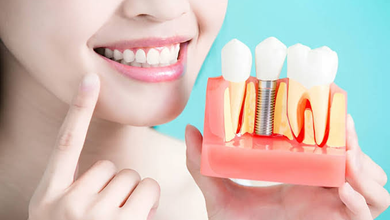
Reviews about All-on-4 treatment are more useful when they discuss the assessment, treatment stages, risks and aftercare rather than focusing entirely on comfort during surgery. All-on-4 is a full-arch tooth replacement approach in which a fixed set of replacement teeth is supported by four dental implants in a jaw.
The process is considerably more involved than a straightforward cosmetic procedure. It can include clinical examinations, scans, treatment planning, implant surgery, a healing period and follow-up appointments. The timing and exact treatment plan depend on individual circumstances.
When comparing patient experiences, prospective patients should consider whether reviews discuss:
- How thoroughly the initial dental assessment was carried out.
- Whether the dentist explained the surgical process and potential complications.
- How the patient was informed about recovery and healing.
- Whether temporary and final replacement teeth were discussed.
- What guidance was provided about cleaning, maintenance and follow-up visits.
A review that simply describes a painless procedure and friendly staff offers limited information about these clinical considerations.
Patients researching All-on-4 in Middlesbrough can find further information about the treatment stages at westmountdentalsurgery.co.uk. The information covers factors that can affect suitability, including jawbone condition, general health, smoking habits, oral hygiene and teeth grinding. These considerations vary between individuals, which is why a clinical assessment is necessary before deciding whether this approach is appropriate.
What Should Patients Check Beyond Online Dental Reviews?
Comparing dental practices involves more than reading patient feedback. Professional registration, treatment information, consultation arrangements and aftercare policies all help build a clearer picture of the care available.
A practical checklist includes:
- Check professional registration: Dentists practising in the UK must be registered with the General Dental Council (GDC). Patients can use the GDC register to check a dentist’s registration status.
- Read treatment information: Look for balanced explanations covering procedures, possible limitations, risks and alternatives.
- Arrange a consultation: A direct conversation with the dentist provides an opportunity to discuss individual concerns and expectations.
- Ask about treatment outcomes: Find out what results may be realistic, how long they might last and what maintenance could involve.
- Discuss potential risks: Ask about possible complications, recovery requirements and alternative approaches.
- Understand aftercare arrangements: Check what follow-up appointments and ongoing maintenance may be required.
- Compare professional opinions: If a treatment involves significant cost or surgery, another clinical opinion can help clarify the available options.
These checks allow patients to consider both the experience of existing patients and the professional information needed to make a treatment decision.
How Can Patients Recognise Dental Reviews That Need Caution?
Reviews deserve closer attention when they contain exaggerated promises, repeated promotional language or very little information about the actual experience. A genuine patient comment does not need to sound perfect to be useful.
For example, a review describing both a positive consultation and a delay in arranging an appointment may provide more practical detail than a short comment promising outstanding results. Similarly, several reviews using almost identical wording may deserve a closer look before influencing a decision.
Patients should also be careful with claims about guaranteed cosmetic results or completely complication-free procedures. Dental treatment involves individual clinical factors, and responsible advice should explain possible limitations rather than promise identical outcomes for everyone.
Checking the dates, level of detail and consistency of feedback helps readers assess reviews more carefully.
Key Points to Remember When Comparing Private Dental Practices
- Online reviews can help patients understand communication, appointment experiences and general service.
- Five-star ratings cannot establish clinical quality or guarantee successful treatment.
- Repeated feedback across several reviews can reveal useful patterns.
- Composite bonding and All-on-4 address different dental needs and require different levels of assessment.
- Treatment information should explain potential risks, limitations and maintenance requirements.
- Professional registration, consultations and aftercare arrangements deserve attention alongside patient feedback.
Ultimately, choosing private dental care involves weighing up several sources of information. Online reviews can help patients identify practices worth researching, but they cannot determine which treatment is clinically appropriate. Combining patient experiences with professional registration checks, treatment research and a direct consultation gives people a more balanced basis for deciding where to seek dental care in Middlesbrough.