Plenty of people have a smile habit they never talk about. They close their lips for photos, laugh behind a hand, or chew on one side without thinking. Often the cause is a single missing tooth. It is a small gap, but it can have an outsized effect on how someone feels about their face, and it is one of the reasons people start looking into Dental Implants Newcastle in the first place.
The reality is more interesting, and more balanced, than the glossy version usually told.
Confidence Is Real, But It Is Not Guaranteed
Tooth loss is linked with effects on self-esteem and quality of life. A missing front tooth is the obvious example, since it sits right in the middle of a smile. Even so, the impact depends on where the tooth was and how noticeable the gap is. Someone missing a back tooth may feel perfectly fine in photos and still notice a difference when eating.
This matters because no treatment can promise how a person will feel afterwards. What a replacement tooth can do is restore the look of a complete smile and help with chewing and, in some cases, speech. Confidence often follows from that, but it is a possible benefit rather than a built-in feature.
What “Modern” Really Means
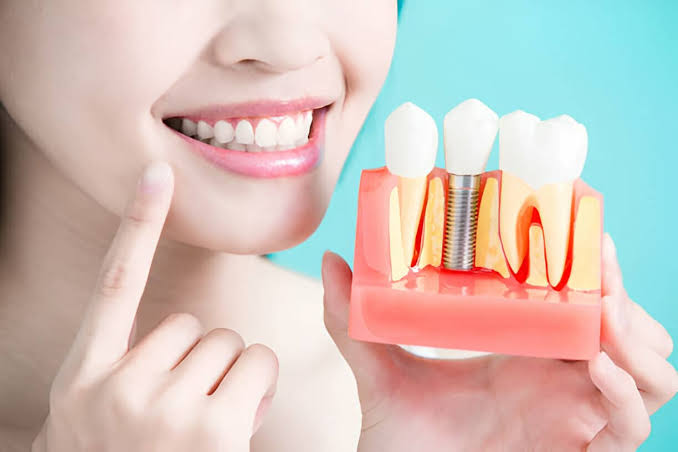
The word gets used a lot, so it helps to pin it down. A dental implant replaces the root of a missing tooth. It is built from three parts: a small screw-like post, usually titanium, placed in the jawbone; an abutment that connects the post to the crown; and the crown itself, the visible tooth, made to match the colour and shape of the teeth around it.
What has changed is mainly the planning. Dentists can now use X-rays and 3D CBCT scans to see the jawbone in detail before surgery, which helps them decide where the post should sit. Anyone reading about Dental Implants Newcastle will notice how much of the process happens before any surgery begins, including consultation, assessment, imaging and a written plan.
The Part Nobody Rushes Through
Healing is where expectations most often meet reality. After the post is placed, the jawbone gradually bonds with it in a process called osseointegration. That bond is what makes the implant stable enough to carry a crown.
Healing commonly takes around three to six months, though it can be quicker or slower. Some UK health sources describe the full journey, from first appointment to final crown, as taking anywhere between four months and a year. If a damaged tooth must be removed first, or the bone needs building up with a graft, the schedule stretches further. Nobody can give an exact timetable before an assessment, and a clinician who offers one without examining the mouth should be treated with caution.
Where Implants Fit Beside Bridges and Dentures
Implants are not the only route. A bridge uses a false tooth held in place by crowns on the neighbouring teeth. It is fixed, it usually takes less time and it avoids implant surgery, but the supporting teeth may have to be reshaped, and a bridge does not replace the root.
A removable partial denture is simpler again and needs no surgery. The trade-off is stability. It tends to feel less secure when chewing and has to be taken out and cleaned regularly.
A single implant and crown sits between these in some ways. It is fixed and stands on its own, leaving the neighbouring teeth untouched, yet it requires minor surgery, enough bone and healthy gums, and patience. People weighing up Dental Implants Newcastle against these alternatives should expect a straight comparison, because the best choice depends on the gums, the bone, the neighbouring teeth, general health and how much time someone can give.
Honest Questions About Suitability
Most healthy adults with a missing tooth can be considered for an implant, but a few things shape the plan. Dentists look at whether there is enough jawbone, whether the gums are healthy, how good general health is and whether the person can keep up daily cleaning and regular check-ups.
Some factors call for a closer look rather than a flat refusal. Smoking is linked with a higher risk of complications. Poorly controlled diabetes can slow healing. A past history of gum disease needs careful monitoring, and teeth grinding can put extra force on the crown. Medicines also matter, and a prescribed medicine should never be stopped without advice from the clinician who prescribed it. Age alone is not a reason to say no, although implants are generally planned once jaw growth has finished.
Life After the Crown Goes On
An implant cannot decay the way a natural tooth can, which leads some people to relax. The gum and bone around it can still become inflamed, and the tissue around an implant is more vulnerable to bacteria than natural gum tissue. Brushing twice a day, cleaning between the teeth and keeping up regular check-ups are what protect the result over time.
Early recovery usually brings mild soreness, swelling and some bruising, with swelling tending to peak within about 48 hours and settle over around a week. Worsening pain, pus, fever, a bad taste or bleeding that will not stop should be reported to the dental team promptly, as should a loose crown.
A Look at the Local Option
For patients in Newcastle and Gateshead, Denmark Street Dental Practice offers a free consultation to discuss options for replacing missing teeth. The practice uses X-rays and 3D CBCT scans to assess patients and plan implant treatment. It reports having placed more than 4,000 implants over a period of 30 years.
Patients can find further information about the practice and its dental services at denmarkstreetdentalpractice.co.uk. As these figures come from the practice itself, patients may wish to ask about the dentist’s experience, expected treatment times and aftercare arrangements. Those considering Dental Implants Newcastle can also discuss alternatives such as bridges and dentures during their consultation.
Final Thoughts
The real story is neither a miracle nor a gamble. A single implant is a carefully planned, multi-step treatment that can give a fixed, independent replacement for one tooth, and for many people a complete-looking smile makes everyday life feel easier. It also takes time, needs healthy foundations and asks for lifelong care. For anyone thinking about Dental Implants Newcastle, the most useful first step is an honest assessment.
Key Takeaways
- Missing teeth can affect smile confidence, self-esteem, chewing and, in some cases, speech.
- Modern dental implants use titanium posts, abutments and custom-made crowns to replace missing teeth.
- X-rays and 3D CBCT scans help dentists assess the jawbone and plan implant placement.
- Implant treatment usually takes three to six months to heal, although the full process can take longer.
- Dental bridges and removable dentures are alternative options, each with different benefits and limitations.
- Healthy gums, sufficient jawbone and good general health are important for implant suitability.
- Smoking, poorly controlled diabetes and teeth grinding can increase the risk of complications.
- Dental implants need daily cleaning and regular dental check-ups to maintain healthy surrounding gums.
- Anyone considering Dental Implants Newcastle should arrange a professional consultation to discuss suitability, treatment timelines and aftercare.