Ask anyone who’s pitched more than once, and they’ll tell you the same thing. Investors don’t fund ideas. They fund businesses, which is a less romantic distinction than it sounds. Most pitches end with a quiet no, and it’s rarely because the idea was bad. It’s because the business behind it started to wobble somewhere around the third awkward question.
So if you run a small UK business and you’re thinking about a raise, find out what those questions are before you’re in the room. They’re fairly predictable, which is the good news.
What Investors Evaluate First: The Basics
Don’t lead with the spreadsheet. Nobody wants it yet. First they want a plain answer to two things: what problem you solve, and why customers come to you rather than the alternative. If that takes ten minutes and a diagram, you’ve got work to do. Aim for two sentences.
Projections come after. They don’t need to be perfect, and frankly nobody believes they are. They do need to be believable. Every investor has seen the hockey-stick chart, two flat years and then a line that suddenly discovers ambition. An inflated forecast burns goodwill you’ll want later.
Then they look at the team. Industry experience counts, obviously. The sharper question is who covers the things you’re bad at. A founder who’s honest about their gaps, and has hired around them, is far easier to believe.
Someone will also ask what makes you different. Have an actual answer, not a line about passion. Without a real edge or a clear spot in the market, even a sensible business can find raising money slow going.
Financial Health and Performance Metrics
Then come the numbers.
Profit is lovely if you have it. If you don’t, a credible route to it is usually enough, and you’ll be in good company. What you can’t be is vague about your burn rate. This is just the cash you get through each month. You also need to know how many months your current funding buys you. Know both cold.
Cash flow is where good businesses quietly come unstuck. You can have healthy sales and still run dry if money goes out faster than it comes in. Investors have watched it happen. They’ll be thinking about it while you talk, along with the return they might get and how much risk sits against it.
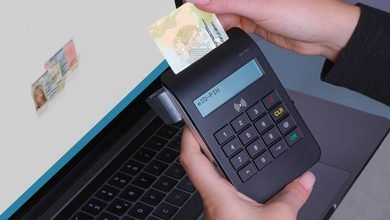
Track record matters too. Steady growth, even unexciting growth, says the model works. If you take most of your money through cards, apps, or online checkout, it’s worth knowing that some investors now read cashless infrastructure as a growth metric. Strong digital payment adoption tells them you’re operationally grown-up, and that your customers trust you enough to pay without a second thought.
Market Opportunity and Growth Potential
A great product in a shrinking market is still a shrinking business. Investors want a decent-sized addressable market, meaning the customers you could realistically sell to, and they want to see it growing. Expect to be asked:
- Who, specifically, are your customers?
- Have you proved they want this – through sales, trials, or a waiting list?
- What stops someone bigger from copying you next quarter?
Scalability is the follow-up. Can you grow without costs rising at the same rate? If every step forward needs another funding round, that’s a harder sell. Not impossible. Harder.
Team and Leadership Qualities
The slides are about markets and margins. The decision is mostly about you. Your history, including the ventures that didn’t work, tells an investor a lot about your judgment and how you handle a bad month. A team with operations, finance, and sales covered between them simply carries less risk.
Vision is fine. Everyone has one. What gets funded is execution, along with the ability to change course when the market moves without pretending you planned it all along.
Preparing for Your Next Pitch
None of this is secret. It comes down to showing you know your market, your numbers, and what your team can genuinely deliver. Before your next pitch, go through each area and be honest about where you’re thin. Investors will find the weak spots anyway. Better that you get there first. The useful thing about preparation is that it’s entirely in your hands.