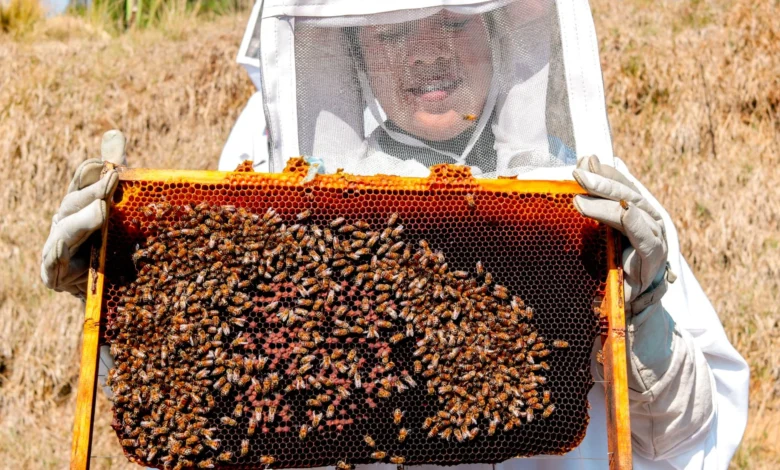
Have you ever wondered what it takes to become a successful beekeeper? While beekeeping may seem intimidating at first, it is a hobby and skill that people of many ages can learn with the right preparation and education. Whether your goal is to harvest honey, support local pollinators, or simply learn more about these remarkable insects, understanding the basics of bee biology, hive management, and colony care is essential before starting your first hive.
1. Understanding Bee Biology and Behavior
Honey bees live in highly organized colonies that function as a single unit. Each hive contains three types of bees: the queen, worker bees, and drones. The queen is responsible for laying eggs and maintaining the colony population. Worker bees, which are female, perform nearly all of the hive’s daily tasks, including collecting nectar, feeding young bees, building comb, and protecting the colony. Drones are male bees whose primary purpose is to mate with new queens.
One of the most fascinating aspects of honey bees is their ability to communicate. Worker bees use pheromones and specialized movements, often called the “waggle dance,” to share information about food sources and environmental conditions. Understanding basic bee behavior helps new beekeepers work with colonies more effectively while reducing unnecessary stress on the bees.
Learning how bees respond to weather changes, hive disturbances, and seasonal conditions will make hive management easier and more successful over time.
2. Essential Equipment and Hive Setup
Before purchasing bees, you need the right equipment to create a safe and productive environment. Most beginner beekeepers use Langstroth hives, which feature stackable boxes filled with removable frames where bees build comb and store honey.
Basic equipment often includes:
- Hive boxes and frames
- Bee smoker
- Hive tool
- Feeders
- Storage containers
- Protective gear
Safety equipment is especially important for beginners. During inspections and honey harvesting, many beekeepers wear protective jackets, veils, gloves, and other specialized gear to reduce the risk of stings while learning proper hive management techniques. Quality protective bee clothing can help new beekeepers feel more comfortable and confident when working around active colonies.
Hive placement also deserves careful consideration. Bees thrive in locations that receive morning sunlight, have adequate drainage, and are protected from strong winds. Positioning hives away from heavily used areas can help minimize interactions between bees and people.
3. Bee Health and Disease Management
Keeping bees healthy is one of the beekeeper’s most important responsibilities. Colonies face numerous threats, including parasites, diseases, predators, and environmental stressors.
One of the most serious challenges is the varroa mite, a parasite that weakens bees and spreads viruses throughout the colony. Other common concerns include:
- American foulbrood
- European foulbrood
- Nosema infections
- Small hive beetles
- Wax moths
Routine hive inspections help identify problems early before they become severe. During inspections, beekeepers monitor brood production, food stores, queen performance, and signs of disease or pest activity.
Strong nutrition also plays a major role in colony health. Bees require consistent access to nectar and pollen sources, and supplemental feeding may sometimes be necessary during periods when natural forage is limited.
4. Understanding Seasonal Beekeeping Responsibilities
Beekeeping changes throughout the year, and each season presents different management priorities.
Spring
Spring is a period of rapid colony growth. Bees begin expanding the hive as flowers bloom and food becomes abundant. During this time, beekeepers monitor population growth, inspect brood patterns, and add hive space when necessary.
Summer
Summer typically brings peak honey production. Colonies forage heavily, and hive inspections focus on maintaining colony health, preventing swarming, and preparing for honey extraction.
During harvest season, many beekeepers use a honey extractor to efficiently remove honey from comb without damaging the frames. This allows the bees to reuse the comb and helps maximize long-term productivity.
Fall
Fall is the time to prepare colonies for winter. Beekeepers assess honey stores, treat for pests, and ensure colonies are strong enough to survive dropping temperatures.
Winter
In colder climates, bees cluster together inside the hive to maintain warmth. Most winter management involves monitoring colony conditions while avoiding unnecessary disturbances that could disrupt the bees.
5. Understanding the Responsibilities of Beekeeping
Successful beekeeping requires more than simply installing a hive and collecting honey. Beekeepers have an ongoing responsibility to care for living creatures and maintain healthy colonies. This includes learning local regulations, staying informed about bee health issues, and continually improving management practices.
Many areas have rules governing hive registration, placement, and colony maintenance. Before starting, check local zoning ordinances, homeowner association rules, and any applicable agricultural regulations.
Joining a local beekeeping association can also be extremely valuable. Experienced beekeepers can provide guidance specific to your region’s climate, nectar flows, pests, and seasonal challenges. Their practical advice often shortens the learning curve significantly.
Conclusion
Beekeeping is an educational and rewarding activity that offers far more than just honey production. By understanding bee biology, investing in proper equipment, learning how to manage hive health, adapting to seasonal needs, and embracing the responsibilities of colony care, new beekeepers can build a strong foundation for long-term success.
While there is certainly a learning curve, most experienced beekeepers will tell you that patience, observation, and ongoing education are the keys to thriving colonies. With the right preparation and commitment, beekeeping can become a fascinating hobby that benefits both your household and the environment for years to come.