Jipinfeiche: How China’s Name for Need for Speed Became Part of Racing Culture

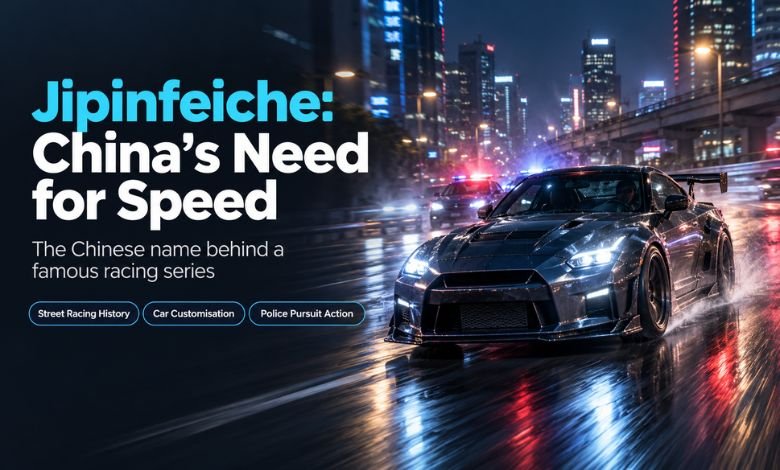
At night, a city can feel like a racing track. Streetlights reflect on wet tarmac, traffic moves between tall buildings and the sound of a tuned engine travels through the darkness. This is the world that made Need for Speed popular with millions of players.
In China, the franchise is widely known as Jipinfeiche, written in Chinese as 极品飞车. The name is connected with fast cars, illegal street races, police pursuits and the freedom to build a vehicle in your own style.
For some people, Jipinfeiche is simply the Chinese title of Need for Speed. For others, it represents a whole period of gaming shaped by modified cars, dramatic chases and late-night races. The name has remained familiar because it describes the central feeling of the series: getting behind the wheel and pushing a car beyond its normal limits.
What Jipinfeiche Means in Chinese
Jipinfeiche is the simplified English spelling of the Mandarin pinyin Jípǐn Fēichē. When the tone marks are removed, it is usually written as one word for convenience.
The Chinese title contains two main ideas. Jípǐn refers to something exceptional, valuable or of the highest quality. Fēichē can describe a car moving at great speed. Together, the phrase creates the image of a special or high-performance speeding car.
It is not a literal translation of the English words “Need for Speed”. Instead, it is a localised title designed to sound natural and exciting in Chinese.
This is common with films, games and television series. A direct translation may not carry the same energy in another language, so publishers often choose a title that matches the product’s mood. In this case, 极品飞车 immediately suggests fast vehicles and thrilling driving.
The name may be written in different ways in English. Some people use “Jipinfeiche”, while others write “Ji Pin Fei Che” or include the Mandarin tone marks. These spellings normally refer to the same franchise.
From a 1990s Racing Game to a Global Series
The first Need for Speed game appeared in 1994. Its early appeal came from the cars themselves. Players could drive famous sports models, compare their performance and experience the excitement of high-speed road racing from home.
The original game had a more serious driving presentation than many arcade racers of its time. It highlighted the shape, sound and performance of the cars, giving the experience a strong connection with real motoring culture.
Police chases soon became an important part of the series. A race was no longer only a contest between drivers. Players also had to think about patrol cars, roadblocks and the risk of losing control during an escape.
That change gave the games a different kind of tension. A driver could be winning a race but still face trouble on the way to the finish. One wrong turn could bring police vehicles into the action and turn a simple event into a long chase across the city.
As the series developed, it tried different settings and styles. Some games focused on luxury cars and open roads. Others moved towards underground street racing, modified vehicles and urban nightlife.
Despite these changes, the main idea stayed the same. The player was given a fast car, a dangerous road and the freedom to decide how far to push the vehicle.
Why Customisation Became So Important
One of the biggest changes in the franchise came with the rise of street-racing games such as Need for Speed: Underground. These titles made vehicle customisation a major part of the experience.
Players could alter paintwork, wheels, body kits, spoilers, lights and other exterior details. They could also improve acceleration, braking, handling and top speed.
This made the car feel personal. It was not just a vehicle selected before a race. It became something the player had developed over time.
A driver might begin with an ordinary car and slowly turn it into a strong competitor. Money earned from races could be used to improve performance, while visual changes created a distinct identity.
This system appealed to different types of players. Some cared mostly about winning and wanted the fastest possible setup. Others enjoyed building a car that looked unusual, stylish or closely connected with real street-car culture.
The same idea remains important in modern racing games. Even when players are competing online, a customised car allows them to show personality without saying a word.
The Role of Police Pursuits
Police chases remain one of the clearest features associated with Jipinfeiche. They make the roads feel unpredictable and give ordinary races an extra sense of danger.
A pursuit often begins with one police car. If the driver continues to resist, more units may arrive. The chase can then include roadblocks, heavy vehicles and other methods designed to stop the player.
Speed is useful, but it is not always enough. Drivers must understand the roads and know when to leave the main route. A narrow alley, a sharp turn or a hidden jump may provide a chance to escape.
This creates moments that are difficult to repeat. A race may follow the same route each time, but a police chase can develop differently depending on traffic, damage and the driver’s decisions.
Games such as Need for Speed: Most Wanted made these pursuits especially memorable. Players were challenged to defeat rival racers while also dealing with a growing police response.
That combination helped the series stand apart from traditional motorsport games. It was not trying to copy a real race weekend. It was offering a more dramatic fantasy in which speed, risk and rebellion were part of the fun.
How Modern Games Have Continued the Formula
The franchise has changed with each generation of consoles and computers. Better graphics have made city streets more detailed, while improved sound design has made engines and tyre noise more convincing.
Need for Speed Heat used a day-and-night system. Day events gave players a safer way to earn money, while night races offered greater reputation rewards and more serious police attention.
This created a clear choice. Players could build their cars carefully during the day or take bigger risks after dark. The difference between the two periods gave the game a stronger sense of rhythm.
Need for Speed Unbound took a different visual approach. It placed realistic vehicles in a stylised world with animated smoke, illustrated effects and bold character designs.
The presentation was unusual, but the familiar foundations remained. Players still raced through an open city, upgraded cars and tried to escape police vehicles.
Electronic Arts later confirmed that Unbound had reached the end of its live-service development in February 2025. No further game updates were planned, although the title remained available to play.
This decision did not end the wider Need for Speed brand. Older games continue to attract fans, and discussions about a future release remain active. Many players want the next title to combine the best elements of earlier games: strong police chases, meaningful car upgrades, a memorable city and a deeper single-player experience.
Why the Name Still Matters to Players
Jipinfeiche has lasted because it represents more than one game. It connects several generations of players who may have started with different releases.
One person may remember playing Underground after school. Another may remember competing in Most Wanted pursuits. A newer player may know the series through Heat or Unbound.
Their experiences are different, but the basic attraction is similar. They enjoy the feeling of controlling a powerful car and making decisions at speed.
The Chinese name also shows how successful localisation can create a separate cultural identity. Players do not need to use the English title to understand what the series represents. 极品飞车 already carries its own meaning.
It suggests speed, status, movement and excitement. Those ideas have helped the name remain recognisable even as the games have changed their graphics, stories and driving systems.
Conclusion
Jipinfeiche is the Chinese name that carries the spirit of Need for Speed into another language and culture. Its meaning brings together the ideas of exceptional cars, rapid movement and the excitement of pushing a vehicle to its limits.
The series has travelled from early sports-car racing to underground events, open-world cities and online competition. Through every change, its strongest features have remained familiar: fast cars, personal customisation and police chases that can turn an ordinary drive into a desperate escape.
That is why the name still matters. For many players, Jipinfeiche is not just a translation. It is a reminder of the sound of an engine, the glow of city streets and the feeling of taking one more corner at full speed.
(FAQs)
What is Jipinfeiche?
Jipinfeiche is the pinyin spelling of 极品飞车, the Chinese title associated with the Need for Speed racing game series.
What does 极品飞车 mean?
The phrase suggests an exceptional or high-quality speeding car. It is a localised title rather than a direct translation of “Need for Speed”.
Is Jipinfeiche a separate game?
No. In most cases, it refers to Need for Speed in Chinese rather than a separate racing franchise.
What type of game is Need for Speed?
It is an arcade-style racing series featuring fast cars, open roads, car upgrades, street races and police pursuits.
Why do players enjoy the series?
The games combine speed with customisation, dramatic chases, city driving and the satisfaction of improving a car over time.
Is Need for Speed Unbound still receiving updates?
Electronic Arts ended regular live-service updates for Unbound in February 2025. The game itself remains playable.