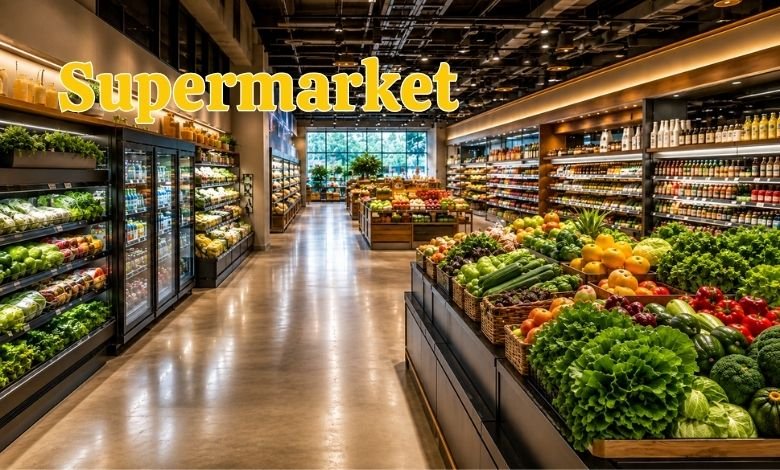
A shopping list folded inside a pocket can say a lot about daily life. Bread, eggs, soap, apples, rice and perhaps a treat added at the last moment. Most of these things will be found during one visit to a supermarket.
That convenience is easy to take for granted. Large food stores have become so familiar that people rarely stop to consider how much work goes into them. Every full shelf depends on farmers, factories, warehouse teams, drivers and store workers. Meanwhile, shopping itself is changing. Some customers still enjoy walking through the aisles, while others would rather order everything on a phone. Supermarkets now have to serve both. They must offer fair prices and fresh food in-store while also providing quick payments, accurate online orders and dependable home delivery.
The Weekly Shop Is More Than a Routine
For many households, grocery shopping begins before anyone reaches the store. Someone checks the fridge, looks inside the kitchen cupboards and tries to plan several meals at once.
The list may appear simple, but it often reflects a tight budget. A family must decide what it needs, what it can afford and what can wait until next week. These decisions continue inside the store.
One aisle may hold several versions of the same item. A shopper looking for breakfast cereal could face different brands, flavours, pack sizes and prices. The cheapest box may not offer the best value, while the largest one may be too much for a small household.
This is where a supermarket can either help or frustrate its customers. Clear prices and sensible shelf signs make shopping easier. Confusing offers and missing labels do the opposite.
Most people also know the danger of shopping while hungry. A careful list can quickly lose its power near the bakery or snack aisle. The smell of fresh bread, a bright display or a reduced price can lead to an unplanned purchase.
That does not mean shoppers are careless. Supermarkets are designed to bring products to their attention. Popular items, seasonal goods and special offers are placed where they are likely to be noticed.
Still, customers have the final choice. Some move quickly, buying only what is written down. Others take their time, read labels and compare every option.
What Happens Before a Product Reaches the Shelf
A carton of milk looks ordinary when it is sitting in a chilled cabinet. Its journey to that shelf is anything but simple.
The milk begins at a farm, moves to a processing site and is packed before being transported to a distribution centre or store. It must remain at a safe temperature throughout the journey.
The same is true for meat, frozen food and many fresh products. A delay, damaged package or faulty refrigerator can make an item unsuitable for sale.
Store employees check deliveries and move products into the correct areas. They rotate stock so that items with earlier dates are sold first. They also remove damaged goods and watch for empty spaces on the shelves.
This work continues while customers are shopping. A busy aisle may need refilling several times in one day. Fresh bread might sell faster in the morning, while ready meals become more popular after work.
Predicting demand is difficult. Warm weather may increase sales of cold drinks and ice cream. Rain can reduce store visits but encourage people to buy ingredients for meals at home.
The supermarket has to prepare for these changes without ordering far too much. Empty shelves disappoint shoppers, yet excess stock can become waste.
Much of this effort goes unnoticed. When the store is clean, the shelves are full and the tills are working, the visit feels simple. That simplicity is created by people solving small problems all day.
Why Price Has Become the Main Concern
Grocery costs are closely watched because food is not an optional purchase. Households may reduce spending on entertainment or clothing, but they still need meals and basic cleaning products.
A small rise in the price of one item may not seem serious. The effect becomes clearer when bread, milk, vegetables, cooking oil and toiletries all cost more at the same time.
Many shoppers respond by changing their habits. They may choose own-brand goods, plan cheaper meals or visit more than one store to find better prices.
Others look for products carrying reduced stickers. Food close to its date is often sold more cheaply near the end of the day. For customers who can use or freeze it quickly, this can offer real savings.
Special promotions require a little caution. “Buy two” sounds attractive, but it is not a bargain if the second item is never used. The same applies to very large packs.
Good value is not always the lowest number on the label. Quality, quantity and likely waste all matter. A slightly more expensive product may be the better choice if it lasts longer or suits the household better.
Trust matters too. Customers expect the price charged at the checkout to match the one shown on the shelf. A small difference can leave a strong negative impression, particularly when budgets are already under pressure.
Online Orders Have Changed Grocery Shopping
The modern supermarket does not end at the shop door. It may also exist as a website, a mobile app and a delivery service.
Online grocery shopping is useful for people who have limited time or find travelling difficult. Customers can build an order from home, select a delivery slot and avoid carrying heavy bags.
Parents with young children may find this particularly helpful. So may older people, disabled customers and workers whose free time does not match normal shopping hours.
Yet ordering online removes some control. A customer cannot squeeze an avocado, examine a loaf or choose the exact bunch of bananas they want. If an item is unavailable, the replacement may not be suitable.
For that reason, many people use a mixture of online and in-store shopping. They order heavy items and household basics, then visit the shop for fresh food.
Inside stores, contactless payments have shortened many queues. Self-service tills can also be useful when someone has only a few products.
Problems begin when the machine refuses to scan an item or repeatedly asks for assistance. At that point, fast help from an employee matters more than the technology itself.
Customers do not want innovation simply because it looks modern. They want tools that make shopping easier and leave human support available when something goes wrong.
Waste, Packaging and the Future of Supermarkets
Food waste is one of the hardest problems in grocery retail. Shoppers expect full displays, but fresh products cannot stay on sale forever.
Retailers try to estimate demand, lower prices before dates expire and donate suitable surplus food. Better planning can reduce waste, although it cannot remove it completely.
Packaging is another concern. Plastic protects food during transport and can extend its shelf life, but unnecessary wrapping creates rubbish that households must deal with.
Some stores are introducing reusable bags, loose produce and recyclable packs. Refill stations may also work for certain foods and cleaning products.
The future of the supermarket will probably include better stock systems and more flexible delivery. Stores may become smaller in some areas, while collection points and online services grow.
However, physical shops are unlikely to disappear. Many people still want to choose fresh products themselves, discover new items or take their shopping home immediately.
The stores that survive will understand that technology is only part of the answer. Customers will continue to care about clean aisles, helpful staff, fair prices and products they can trust.
Conclusion
Supermarkets make a complicated system feel ordinary. Customers see shelves, baskets and checkout lines, but behind them is a network of workers and suppliers keeping everyday goods available.
Shopping methods will continue to change. More orders will be placed online, payments will become faster and stock systems will improve. Even so, the basic expectations will remain familiar.
People want food that is fresh, prices that are fair and service they can rely on. Any store that provides those things will remain valuable, no matter how advanced shopping technology becomes.
(FAQs)
What is a supermarket?
A supermarket is a large self-service shop selling groceries, fresh food, drinks, toiletries, cleaning supplies and other daily essentials.
Why do supermarkets offer so many brands?
Different customers have different budgets, tastes and dietary needs. Offering several brands allows shoppers to compare price, size, quality and ingredients.
How can shoppers save money on groceries?
Making a list, planning meals and comparing unit prices can help. Own-brand products and reduced-price items may also lower the final bill.
Is online grocery shopping better than visiting a store?
It depends on the shopper. Online ordering saves time, while visiting a store gives customers more control over fresh products and replacements.
Why do supermarkets reduce food near its expiry date?
The lower price encourages customers to buy the product while it is still suitable to use. This can reduce waste and help shoppers save money.
Will supermarkets replace small local shops?
Large stores offer range and convenience, but small shops often provide personal service, specialist products and quick local access. Many communities continue to use both.