It began as an ordinary Sunday flight to the Mediterranean. Passengers boarded at Cardiff, settled into their seats and prepared for the journey to Paphos. Minutes after take-off, however, the mood changed. The aircraft had reportedly struck a bird, and the crew was no longer following the expected route.
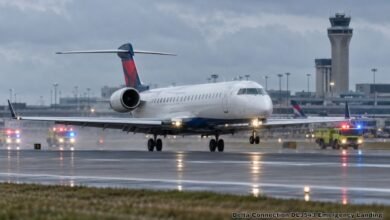
The TUI Flight BY6754 emergency landing took place on 28 September 2025. After spending time in the air, the Boeing 737-800 diverted to Birmingham Airport, where firefighters were waiting near the runway. It touched down safely at around 5:30 pm, and nobody was reported injured.
There was early talk of an engine problem, but TUI later said no engine had failed. According to the airline, the decision to divert was a precaution following the bird strike. What passengers experienced as a frightening hour was, in practice, a carefully managed response to an unexpected event.
A Normal Departure, Then an Unexpected Turn
BY6754 left Cardiff Airport at about 4:28 pm. Its destination was Paphos, a popular resort city on the south-west coast of Cyprus. Under normal conditions, the aircraft would have continued climbing before turning towards continental Europe.
That did not happen. Shortly after leaving Cardiff, the plane encountered a bird strike. The crew stopped the usual climb and began flying over the Swansea Bay area instead.
Flight-tracking data later showed several turns at a relatively low altitude. For people following the aircraft online, the unusual path quickly suggested that something was wrong. Those inside the cabin had fewer details and more immediate concerns.
Passengers said they knew the trip was not going as it was supposed to. Some accounts mentioned a peculiar smell, with initial reports suggesting a potential engine problem. In a confined cabin, with little information available, it is easy to understand why people became anxious.
The pilots had several jobs to handle at once. They had to fly the aircraft, check its systems, speak with air traffic control and decide where to land. Providing a full explanation to passengers could only come after those more urgent tasks.
Later, TUI challenged the suggestion that an engine had failed. The company said the aircraft had suffered a bird strike after departure and that the diversion was carried out as a precaution.
Why the Aircraft Did Not Land Straight Away
One detail of the TUI Flight BY6754 emergency landing caused some confusion. If there was a problem, why did the aircraft continue circling instead of immediately returning to the nearest runway?
The answer lies partly in landing weight. A plane leaving for Cyprus carries enough fuel for a journey lasting several hours, as well as the reserves required by flight-planning rules. Soon after departure, it can be much heavier than it would be on a normal arrival.
When an aircraft remains stable, pilots may spend time using fuel before landing. This can bring the plane closer to a more suitable weight and reduce strain during touchdown. It also creates breathing space for the crew to work through the correct checks.
Those minutes are not wasted. The pilots can compare cockpit readings, watch for further warnings and decide whether the aircraft is behaving normally. Cabin crew can secure the cabin, speak with passengers and prepare for an earlier-than-expected landing.
Air traffic controllers are involved as well. They arrange a safe route, keep other aircraft away and communicate with the chosen airport. Once an emergency has been declared, the affected flight can be given priority.
Circling may look worrying from the ground, but it does not necessarily mean that the pilots have lost control of the situation. In many cases, it shows that they have enough control and time to prepare properly rather than rushing the arrival.
Why Birmingham Airport Was Chosen
Cardiff was the departure point, yet the plane eventually landed at Birmingham. Airlines do not publicly explain every operational calculation, but crews consider far more than simple distance when selecting a diversion airport.
They may look at runway length, weather, traffic, emergency cover and engineering facilities. The aircraft’s position at the time of the decision also matters. Birmingham was able to accept the flight and prepare the runway before it arrived.
Normal airport movements were temporarily paused at around 5:12 pm. Firefighters and response vehicles took their positions, giving the incoming Boeing a clear arrival and immediate support if it was needed.
The sight of fire engines can be frightening for passengers, especially after an uncertain period in the air. Their presence, though, is standard practice. Emergency teams prepare for possibilities, not just for what is expected to happen.
At approximately 5:30 pm, the aircraft landed without further difficulty. It taxied away from the runway, and the passengers and crew were able to leave safely. No injuries were reported following the TUI Flight BY6754 emergency landing.
The outcome may have looked calm from outside, but it depended on many people doing their jobs at the right time. Pilots, cabin crew, controllers, firefighters and airport staff all played a part.
What Damage Can a Bird Strike Cause?
Bird strikes are an established risk in aviation. They happen most often near airports, where aircraft and birds share the same low-level airspace during departure and arrival.
The phrase can sound dramatic, but the results vary widely. A small bird may leave little more than a mark. A heavier bird, a flock or an impact in a sensitive area can cause more concern.
The nose, windscreen, wings and engines are among the areas that may be hit. Speed also matters. Even a relatively light bird can strike with considerable force when an aircraft is moving quickly.
Passenger aircraft are designed with such hazards in mind. Important components must meet strict certification standards, and pilots train for abnormal indications that may appear after an impact.
Still, the crew cannot inspect the outside of the aircraft while flying. Cockpit instruments may show whether an engine or another system is behaving unusually, but a proper physical inspection normally has to wait until the plane is on the ground.
That is why continuing to a distant destination may not be the best choice. Paphos was hours away. Landing in Britain allowed engineers to examine the Boeing sooner and avoided carrying an uncertain issue across a much longer route.
Airports also try to prevent strikes before they happen. Wildlife teams monitor birds, manage areas that may attract them and use approved methods to move flocks away from active runways. The work is constant because the risk can never be removed completely.
A Frightening Event With a Reassuring Outcome
For passengers, any emergency announcement is alarming. People cannot see the cockpit instruments or hear conversations with air traffic control. They know only that the plane has changed direction and that the original journey has been abandoned.
That gap in information often becomes the hardest part of the experience. Silence can feel worrying, but the pilots’ first responsibility is to control the aircraft. Detailed announcements come second.
An emergency declaration also sounds more dramatic than its practical purpose. It allows a crew to request priority, gives controllers a clear understanding of the situation and alerts the airport before the plane arrives.
In the case of BY6754, those procedures worked as intended. The crew chose not to continue to Cyprus, Birmingham cleared the way, and rescue teams waited in position. The aircraft then landed safely.
The TUI Flight BY6754 emergency landing therefore became a story about precaution rather than disaster. It disrupted travel plans and caused real fear, but it ended without reported injury.
Conclusion
The TUI Flight BY6754 emergency landing interrupted a routine holiday journey within minutes of take-off. A bird strike led the pilots to abandon the flight to Paphos, remain airborne while preparing and divert to Birmingham.
The first reports created fears of an engine failure, but TUI later denied that an engine had failed. Its explanation presented the diversion as a sensible precaution after the impact.
For those sitting in the cabin, the experience was undoubtedly tense. Yet the ending matters most: the plane arrived safely, emergency crews were ready, and nobody was reported hurt. It was an unsettling afternoon, but also a strong example of why aviation crews act early when something does not appear right.
(FAQs)
What happened to TUI Flight BY6754?
The aircraft encountered a bird strike shortly after taking off from Cardiff Airport. The crew declared an emergency and diverted the flight to Birmingham.
When did the incident occur?
It happened on Sunday, 28 September 2025. The plane left Cardiff at about 4:28 pm and landed in Birmingham at around 5:30 pm.
Where was the flight supposed to go?
BY6754 was travelling from Cardiff to Paphos in Cyprus. It did not continue to its planned destination after the bird strike.
Was there an engine failure?
Early accounts raised concerns about a possible engine problem. TUI later said there had been no engine failure and described the diversion as precautionary.
Why did the pilots circle before landing?
The additional flying time helped reduce fuel weight and gave the crew time to monitor the aircraft, complete checks and arrange the diversion.
Did anyone suffer an injury?
No injuries were reported. Everyone on board was able to leave the plane after it landed safely at Birmingham Airport.