A rock concert in New York helped change the direction of Logan Romero Plant’s life. He was travelling around America with his band when a visit to a barbecue restaurant introduced him to a different kind of beer. He enjoyed it so much that he began thinking about making his own.
For someone whose father is Robert Plant, the famous voice of Led Zeppelin, leaving rock music might seem an unusual decision. But Logan had interests of his own. He had spent years singing, travelling and learning about the music business before turning his attention to brewing.
In 2011, he founded Beavertown Brewery in London. The company became known for its colourful beer cans and popular drinks such as Neck Oil and Gamma Ray. By 2022, it had grown large enough for Heineken to take full ownership.
Quick Bio: Logan Romero Plant
| Field | Details |
|---|---|
| Full Name | Logan Romero Plant |
| Date of Birth | 21 January 1979 |
| Age (2026) | 47 Years Old |
| Birthplace | England, United Kingdom |
| Nationality | British |
| Profession | Entrepreneur and Former Rock Singer |
| Famous For | Founder of Beavertown Brewery |
| Father | Robert Plant |
| Mother | Maureen Wilson |
| Sister | Carmen Jane Plant |
| Brothers | Karac Pendragon Plant (Late), Jesse Lee Plant (Half-Brother) |
| Marital Status | Married |
| Wife | Bridget Plant |
| Children | Two |
| Education | Studied Sports Science |
| Music Bands | Sons of Albion, Black Country Bandits |
| Business Name | Beavertown Brewery |
| Brewery Founded | 2011, London |
| Popular Beer Brands | Neck Oil, Gamma Ray, Smog Rocket |
| Business Ownership | Fully Acquired by Heineken in 2022 |
Early Life and Growing Up as Robert Plant’s Son
Logan Romero Plant was born on 21 January 1979 in England. His parents are Robert Plant and Maureen Wilson, who married in 1968. By the time Logan arrived, his father had already enjoyed enormous success with Led Zeppelin.
He grew up in the West Midlands, a region known for its industrial history, local pubs and strong musical traditions. Despite having a world-famous father, his childhood was not entirely centred on the entertainment business.
The family had already experienced a heartbreaking loss. Logan’s older brother, Karac Pendragon Plant, died in 1977 at the age of five. His older sister, Carmen Jane Plant, was born in 1968. Logan also has a younger half-brother, Jesse Lee Plant.
His parents separated when he was young, and their divorce was finalised in 1983. Robert continued recording music and touring, while Logan gradually developed interests that went beyond his father’s profession.
One of those interests was football. He enjoyed playing the game and later studied sports science. Music was familiar to him, but there was no certainty that he would make it his career.
Another part of his upbringing would prove important years later.
Robert Plant enjoyed visiting traditional pubs in the Black Country. Logan often went along with him, meeting his father’s friends and seeing the local pub culture at close quarters.
In an interview with The Guardian in 2017, Logan remembered that his first taste of beer as a child was hardly enjoyable. His feelings changed as he became older, particularly when he started visiting pubs with his father as an adult.
Those outings became a way for father and son to spend time together. They also introduced Logan to the brewing traditions of the area where he grew up.
At around 20, he was already thinking about the possibility of opening a brewery one day. The idea remained in the back of his mind while he concentrated on music.
His Years in Music and the Trip That Changed Everything
Before entering the beer business, Logan Romero Plant worked as a rock singer for several years. He performed with bands including Black Country Bandits and Sons of Albion, gaining experience on stage and travelling abroad.
Sons of Albion played guitar-led rock music and toured in America. Logan enjoyed performing, but travelling also gave him plenty of opportunities to explore places away from concert venues.
One particular evening in Brooklyn stayed with him.
After a performance in Williamsburg, New York, he visited Fette Sau, a restaurant known for its barbecue food and selection of beers. The combination of smoked meat and American craft beer made a strong impression on him.
Back in Britain, he was familiar with traditional ales. In America, he discovered breweries experimenting with different hops, flavours and styles. The variety surprised him.
He began wondering why he could not create a similar experience in London.
The thought soon became more than a passing interest. After returning home, Logan bought books about brewing and started experimenting with equipment in his kitchen.
His first efforts were small. He tried recipes, made changes and learned what happened when different ingredients were used. Like anyone starting something unfamiliar, he had plenty to learn.
It was a different routine from his life as a singer. Instead of travelling to another gig, he could spend hours working on a batch of beer at home.
Eventually, he decided to leave the band and put his energy into the new idea.
His wife, Bridget, was also involved in the decision. The couple had known each other since childhood and had both worked in the music industry. They agreed that it was time to try something else.
Their plan was straightforward: open a place where people could enjoy barbecue food and beer made on the premises.
Beavertown Brewery: A Small London Start That Grew Quickly
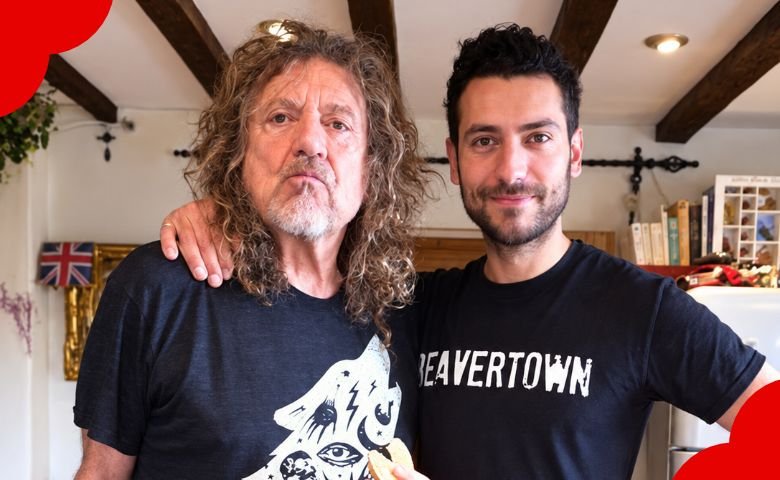
In 2011, Logan Romero Plant began building the business that would become Beavertown Brewery. Together with Bridget, he developed Duke’s Brew & Que, an American-style barbecue restaurant in Haggerston, east London.
The restaurant had a small brewery attached to it. The name Beavertown came from De Beauvoir Town, the London neighbourhood associated with the original premises.
Getting started was not easy.
Logan had never run a large company, and finding a bank willing to lend money proved difficult. In later interviews, he explained that several banks were unwilling to support the idea before the couple finally secured funding.
They opened with a modest budget and bought the brewing equipment they could afford. Money earned from selling food and beer went back into the operation.
The early beers were developed with plenty of experimentation. Logan drew inspiration from British ales, American pale ales and other styles he had discovered during his travels.
Among the brewery’s original products were Smog Rocket, a smoked porter, and 8 Ball, a beer whose name came from a pool ball he had used while brewing.
Other beers soon attracted customers, particularly Gamma Ray, an American pale ale, and Neck Oil, which later became one of the company’s best-known products.
The name Neck Oil had a family connection. Logan remembered an old Black Country expression used by his great-grandfather when talking about going to the pub for a drink.
He liked the phrase and decided it would suit one of his beers.
The packaging was just as unusual as the names.
Rather than relying on traditional beer labels, Beavertown used bright illustrations filled with skeletons, strange creatures and space-inspired characters. The artwork gave the cans a look that was difficult to mistake for another brand.
Much of this style came from Nick Dwyer, an artist who originally worked as a waiter at Duke’s Brew & Que.
Logan noticed Dwyer’s sketches before shifts and asked him to design some beer labels. The partnership became an important part of Beavertown’s appearance.
As more people discovered the beers, production increased. The company moved into larger premises in Tottenham Hale, where it could make considerably more beer than at its original site.
By 2014, the brewery had already grown far beyond Logan’s first kitchen experiments. Further expansion followed as its products reached more pubs and shops.
In 2020, Beavertown opened Beaverworld, a major brewing facility in Enfield, north London.
The brewery had started as a small addition to a barbecue restaurant. Less than ten years later, it was operating on a scale that would have been difficult to imagine at the beginning.
The Heineken Sale and Where Logan Plant Stands Today
Growing demand was good news for Beavertown, but making more beer required expensive equipment and larger facilities.
In 2018, Heineken purchased a minority stake in the brewery for a reported £40 million. The investment helped support its expansion, including the development of the new Enfield site.
Not everyone welcomed the agreement.
Some supporters of independent craft breweries felt that accepting investment from a global beer company went against the spirit of the smaller brewing industry. A number of independent retailers publicly criticised the decision.
Logan understood the concerns but believed the investment would help Beavertown achieve its plans without abandoning its character.
The arrangement lasted four years before a much bigger change arrived.
On 7 September 2022, Heineken announced that it had bought the remaining shares in Beavertown, giving the company full ownership.
Logan stepped down as chief executive and moved into an advisory role. Jochen Van Esch became managing director.
At the time, Beavertown employed more than 160 people and had reached a reported annual brewing volume of 360,000 hectolitres.
For Logan, it was the end of his time running the business he had started in his kitchen. The company would continue making beer under its familiar name, but its ownership had changed completely.
His life outside work receives much less publicity. Logan and Bridget have two children, and he has generally avoided sharing too many details about his family’s day-to-day activities.
He has also maintained his connection with music. Although brewing became his main profession, his years in rock bands remain an important part of his background.
The unusual thing about his career is how naturally two different interests came together. Years spent touring introduced him to American beer, while the pubs he visited with his father had already given him an appreciation for British brewing.
Beavertown brought those experiences together in one business.
Whatever direction his career takes next, Logan Romero Plant will remain closely associated with the brewery he helped create and the distinctive beers that brought it national attention.
Conclusion
Logan Romero Plant spent his early working years in rock music, but a visit to an American barbecue restaurant helped him discover a different career. He returned to Britain, learned how to brew beer and opened a small business with his wife.
That business became Beavertown Brewery, known for drinks such as Neck Oil and Gamma Ray, as well as its colourful packaging. Its growth eventually led to Heineken taking full ownership in 2022.
His father gave him a famous surname, but the brewery was something Logan built with his own ideas and the help of a dedicated team.
His story began in the world of rock music. It found its biggest commercial success in a London brewery.
Also read: Jamie Hartwright: Inside the Life of Judge Judy’s Eldest Daughter
(FAQs)
Who is Logan Romero Plant?
Logan Romero Plant is a British businessman and former musician. He is the son of Led Zeppelin singer Robert Plant and the founder of London’s Beavertown Brewery.
How old is Logan Plant in 2026?
He was born on 21 January 1979, making him 47 years old as of October 2026.
Who is Logan Plant’s wife?
Logan is married to Bridget Plant. They have known each other since childhood, worked together on their brewery business and have two children.
Which bands did Logan Plant sing for?
He performed with rock bands including Sons of Albion and Black Country Bandits before leaving music to concentrate on brewing.
Does Logan Plant still own Beavertown Brewery?
No. Heineken purchased the remaining shares in Beavertown Brewery in September 2022. Logan stepped down as chief executive and took on an advisory role following the sale.