Finding a new comic is easy. Finding the right version of it can take longer. A story may have several translated names, an unclear chapter list or a cover that tells you very little about what is inside. That is where a well-organised catalogue becomes useful.
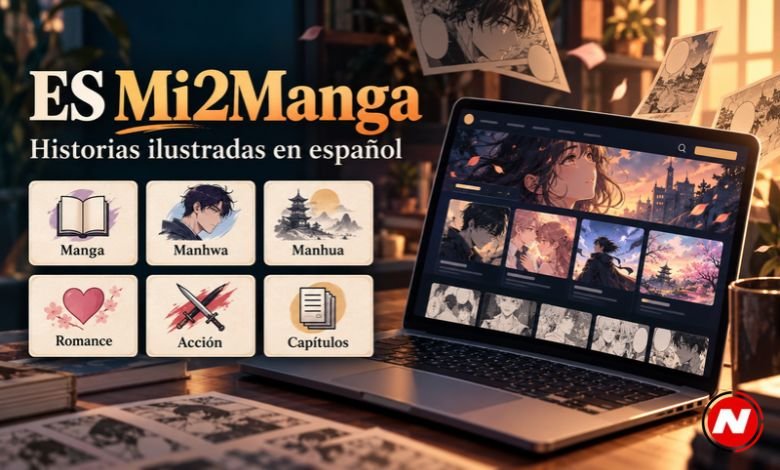
ES Mi2Manga is the Spanish-language section of a site where readers can browse manga, manhwa and manhua. It groups titles into categories such as romance and action, with sorting options for readers who want to explore beyond a single search. But the name alone does not explain what readers will find or how to judge a series page. Here is a closer look at the site, the different kinds of comics it lists and the details worth checking before you begin reading.
What Is ES Mi2Manga?
ES Mi2Manga is a Spanish-language online comic catalogue. The “ES” refers to the Spanish section of the website, where readers can browse titles and open series pages. Although the name contains “manga”, the catalogue is broader than Japanese comics alone. It also has categories for Korean manhwa and Chinese manhua.
That mix matters. Someone searching for manga in Spanish might arrive with a Japanese title in mind. Another reader may be looking for a Korean romance they saw mentioned online. Both can find relevant categories on the same site, but the words manga, manhwa and manhua help identify what kind of work they are viewing.
The main archive shows titles in a browsable list. Readers can sort by recent entries, alphabetical order, rating, and popularity. Genre labels offer another route through the catalogue. If you cannot remember a story’s name, these options may help you narrow the search.
The site also displays chapter information beside many titles. That gives readers an early sense of what is listed before they open a series page. Still, a chapter number on a catalogue card is only a starting clue. The series page and its chapter list give a clearer picture of where to begin.
How Do Readers Find Stories on the Site?
There are two common ways to explore ES Mi2Manga: search for a title you already know or browse until something catches your attention. Each approach calls for a slightly different check.
If you know the title, search for it first. Keep in mind that a comic may have a Spanish name as well as its original-language title. Small differences in spelling or translation can make two listings look unrelated at first. Comparing the description, creator information and genre tags can help you work out whether you have found the story you wanted.
Browsing is less direct, but often more enjoyable. You might start in romance manga, move to action, then notice a manhwa with a premise that sounds more interesting than the title you came to find. Sorting options such as latest or rating can change what you see first. A high position in a list, however, does not tell you whether a story suits your taste.
That is why the individual series page matters. Depending on the title, it may show a summary, genre labels, author details, publication information and a list of chapters. Read the summary before relying on the cover. Then look at the tags. They may reveal a theme or age category the artwork doesn’t make obvious.
Finally, inspect the chapter order. Some lists include extra chapters or numbered parts, while others may begin later than you expect. If you are starting a story for the first time, find its earliest available chapter instead of opening the most recent entry by accident.
Manga, Manhwa and Manhua: What Is the Difference?
These three terms are easy to mix up when they appear in the same online catalogue. Manga generally refers to comics from Japan. Manhwa refers to comics from South Korea, while manhua refers to comics from China. The terms describe a work’s comic tradition; they do not tell you its genre.
A manga can be a romance, a mystery or an action story. The same is true of manhwa and manhua. That is why a reader who searches only by country of origin may still face a long list of choices. Genre tags and summaries do the next part of the work.
Reading format can also vary between titles. Some comics use pages that you move through one at a time. Others are designed for a longer vertical scroll. It is better to check the particular series than to assume every work in one category will read the same way.
ES Mi2Manga has separate category pages for manga, manhwa and manhua. That makes the labels useful when you want to explore one tradition or revisit a comic type you already enjoy. If you care more about the story than its origin, start with a genre and let the descriptions guide you.
For readers new to Spanish-language comics, this variety is part of the appeal. A single search may introduce you to titles from several traditions. The challenge is choosing carefully enough to find a story you will want to continue.
What Should You Check Before Opening a Series?
First, check the content labels. The catalogue includes an 18+ category, so readers shouldn’t assume every title suits every age. A bright cover or familiar art style is no substitute for reading the tags on a series page.
Second, check whether the available chapters meet your expectations. A story may be ongoing, while its listed chapters stop at a particular point. A series page may also show information about publication in its country of origin. That is useful, but it does not automatically tell you how many chapters you can currently read in Spanish.
Third, consider the edition’s source. A listing tells you that a title appears in a catalogue; it does not, on its own, establish who holds the publishing rights. If you want to support the people who made the comic, look for information about an official Spanish edition from the creator or publisher.
It is also wise to treat unexpected prompts with care. If a page asks for a download, notifications or personal details while you are simply trying to inspect a series, take a moment to decide whether that step is needed. You can make a better choice when you know what you are agreeing to.
A mobile app with a similar Mi2Manga name is listed on Google Play. A matching name alone is not enough to confirm that an app and a website have the same operator. If you are interested in the app, read its store listing and data information separately.
Conclusion
ES Mi2Manga gives Spanish-language readers a way to explore manga, manhwa and manhua in one catalogue. Its categories and sorting tools can help you discover a story, while series pages offer details that may help you decide where to start.
Take a moment to read the summary, check the content labels and inspect the chapter order. A little care at the start makes it much easier to find a comic that is right for you and to begin with the right chapter.
(FAQs)
What is ES Mi2Manga used for?
Readers use ES Mi2Manga to browse Spanish-language comic listings, look up series details and find chapters. Its categories include manga, manhwa and manhua.
Is ES Mi2Manga only for Japanese manga?
No. The site has separate categories for manhwa and manhua as well as manga. Readers can explore titles from all three comic traditions.
Can I search for a specific story?
The site has a search field and a browsable archive. If a title does not appear under the name you know, try its alternative or Spanish title, then compare the series details.
How do I know whether a series is complete?
Check its series page and chapter list. If publication status is shown, read it carefully: the status of the original work and the number of chapters listed in Spanish may differ.
Are all titles suitable for younger readers?
No. The catalogue includes an 18+ category. Check each title’s tags and description before opening it or sharing it with someone else.
Is the Mi2Manga mobile app the same as the website?
An app with a similar name exists, but the name alone doesn’t confirm a connection. Review the app and website separately before assuming the same people run them.